This article covers:
• Costco’s sales growth
• Holiday shopping trends
• Retail sector insights
• Consumer behavior
• Supply chain stability
An Overview of Recent Retail Trends>
The retail sector has always been a vibrant barometer of economic health and consumer behavior. Recently, insights from the National Retail Federation highlighted that the winter holiday spending is expected to see a growth between 2.5% and 3.5% over 2023, with projections reaching up to $989 billion in November and December. This forecast is slightly above last year’s levels, indicating a robust consumer outlook and a more stable supply chain than in previous years. Retailers, including e-commerce platforms, are gearing up for the holiday rush, moving promotional products out of warehouses and into the consumer sphere, signaling an optimistic end to the year for the retail industry.
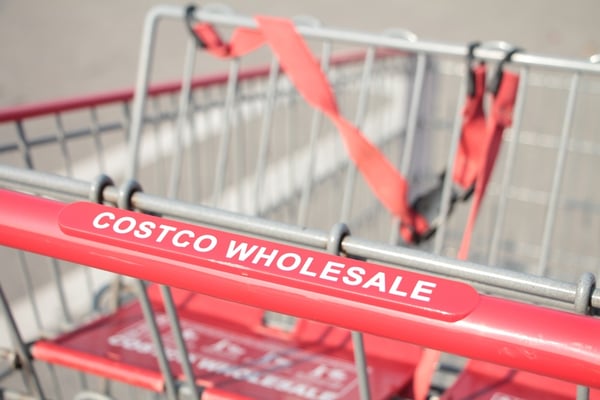
In this dynamic environment, Costco Wholesale Corporation has emerged as a standout performer, reporting significant sales increases in recent months. According to reports, Costco’s net sales in October 2024 saw a 7.2 percent increase from the previous year, amounting to $20.03 billion for the retail month. This followed a September sales result that was equally impressive, with a 9.0 percent increase from the previous year, totaling $24.62 billion. These figures not only underscore Costco’s dominance in the retail sector but also provide insights into the broader economic indicators of consumer spending and confidence.
Delving Deeper into Costco’s Success
Costco’s recent financial performance is a testament to its resilient business model and its ability to adapt to the fluctuating retail landscape. The company’s consistent sales surge is a reflection of several key factors, including a strong membership base, a diversified product range, and a strategic focus on value and efficiency. Furthermore, Costco’s ability to maintain a stable supply chain amidst global disruptions has ensured that it can meet consumer demand efficiently, a critical factor in its recent successes.
The implications of Costco’s sales surge extend beyond the company itself, offering a glimpse into the broader market trends and consumer behavior. The increase in Costco’s net sales suggests a continued consumer preference for bulk purchasing and value-driven shopping experiences. This trend is particularly relevant in the current economic context, where consumers are increasingly looking for ways to maximize their purchasing power amidst rising living costs.
Future Outlook and Implications for the Retail Sector
As we look ahead, the retail sector remains cautiously optimistic, with forecasts indicating a continued growth trajectory into the holiday season and beyond. The stability of the supply chain, as observed in recent months, coupled with a resilient consumer outlook, suggests that the retail industry could see sustained growth. However, retailers will need to remain agile, adapting to the evolving consumer preferences and the ever-changing economic landscape to capitalize on these trends.
For Costco, the focus will likely remain on enhancing its value proposition to its members, expanding its product offerings, and investing in technology and infrastructure to further streamline its operations. As the retail landscape continues to evolve, Costco’s ability to adapt and innovate will be critical in maintaining its growth momentum and leadership position in the market.
In conclusion, the recent sales surge reported by Costco Wholesale Corporation not only highlights the company’s strong performance but also reflects the broader trends in the retail sector and consumer behavior. As we move into a critical period for retail, with the holiday season approaching, the sector is poised for an interesting end to the year. Retailers, including Costco, will play a pivotal role in shaping the economic landscape, driven by consumer preferences, spending habits, and the overall economic climate.