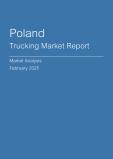
Executive Summary: Trucking Market in Poland Q4 2024
In Q4 2024, the Polish trucking industry is undergoing a transformative period characterized by strategic infrastructure developments, technological advancements, and evolving consumer demands. These factors are driving the market towards a more sustainable, efficient, and competitive landscape.
Hydrogen and Renewable Energy Developments
The commissioning of a hydrogen factory in Silesia represents a significant leap towards sustainable trucking in Poland. This facility is expected to provide a clean energy source, reducing the carbon footprint of heavy-duty vehicles and aligning with Poland's environmental goals. Alongside investments in wind and solar energy, these developments promise to stabilize energy costs and enhance the sustainability of freight transportation.
Infrastructure Enhancements and Their Impact
The construction of the Centralny Port Komunikacyjny (CPK) and expansions of the A2 motorway and high-speed rail line 'Y' are pivotal in improving logistics efficiency. These projects are set to reduce transit times and enhance the reliability of freight transport, providing Polish trucking companies with a competitive edge in the European logistics market.
Growth in Long-Haul and Intermodal Transport
Poland's strategic investments in logistics hubs, such as the City Logistics Warsaw IV, are boosting the long-haul and intermodal transport sectors. These developments facilitate efficient freight movement across the country, optimizing logistics operations and increasing competitiveness in an increasingly interconnected European market.
Refrigerated and Temperature-Controlled Transport Expansion
The rising demand for temperature-sensitive goods is propelling growth in the refrigerated trucking sector. Infrastructure projects like the CPK are crucial in enhancing logistical capabilities for temperature-controlled transport, meeting the needs of industries such as pharmaceuticals and perishable food items.
Regulatory Changes and Technological Advancements
New regulations enforcing stricter emissions standards are pushing the Polish trucking industry towards cleaner fuels and innovative technologies. The integration of telematics and automation systems is improving operational efficiencies, while sustainability initiatives are fostering a greener logistics environment.
Evolving Consumer Demand and Market Dynamics
Consumer demand patterns, influenced by the shift towards e-commerce, are shaping the trucking industry's service offerings. This trend is increasing the need for efficient short-haul and regional trucking solutions, as companies strive to meet the logistics demands of urban and suburban areas.
Impact of Economic and Industrial Trends
Poland's 2.7% GDP growth in Q3 2024 signals economic recovery, positively impacting freight transportation demand. However, challenges such as geopolitical tensions and manufacturing sector fluctuations pose potential risks to trucking costs and logistics efficiency. The increase in defense spending and EU-funded infrastructure projects are expected to drive further demand for trucking services.
Key Questions Addressed in the Report
- How will the hydrogen factory in Silesia influence the sustainability of trucking in Poland?
- What are the projected impacts of infrastructure enhancements on freight transport efficiency?
- How is the refrigerated trucking sector expected to evolve in response to rising demand for temperature-sensitive goods?
- What are the implications of regulatory changes on fuel and emissions standards for the Polish trucking industry?
- How are technological advancements like telematics and automation improving trucking operations?
- In what ways are consumer demand patterns affecting trucking service offerings?
- What are the potential impacts of economic trends and geopolitical tensions on the trucking market?