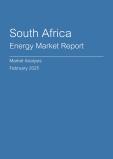
Executive Summary: Energy Market in South Africa - Q4 2024
The South African energy market in Q4 2024 showcases a dynamic landscape marked by significant shifts towards renewable energy, amidst ongoing challenges in the traditional fossil fuels sector. The quarter was characterized by substantial progress in solar and wind energy deployment, spurred by declining photovoltaic costs and strategic policy initiatives, such as the South African Wholesale Electricity Market (SAWEM). However, the reliance on coal energy remains a critical concern due to its environmental impact and the socioeconomic implications of transitioning to green energy.
Renewable Energy Advancements
Q4 2024 saw a continued surge in renewable energy projects, with solar and wind sectors experiencing significant growth. The integration of renewable energy into the national grid is supported by policy frameworks like SAWEM, which have reduced bureaucratic barriers and increased investment attractiveness. The solar industry, benefitting from a 76% decrease in photovoltaic costs since 2010, plays a pivotal role in South Africa's clean energy transition.
Challenges in the Coal Energy Sector
Despite global efforts to reduce carbon emissions, coal remains predominant in South Africa's electricity market, accounting for over 80% of power generation. The transition from coal presents challenges, particularly in terms of employment, as the sector employs over 100,000 workers. Strategic initiatives, including reskilling programs and investment in alternative industries, are essential to mitigate these socioeconomic impacts.
Emergence of Alternative Fuels
The rising demand for liquefied petroleum gas (LPG) as an alternative fuel underscores shifting consumer preferences, driven by Eskom's proposed 44% electricity price hike. LPG offers a cleaner, cost-effective solution, contributing to energy market diversification and reduced reliance on traditional electricity sources.
Energy Storage and Efficiency
Battery Energy Storage Systems (BESS) have gained traction as a critical component in stabilizing South Africa's power market. Investments in energy storage infrastructure are crucial for managing renewable energy intermittency and enhancing grid reliability. The renewable energy inverters market is projected to grow significantly, driven by technological advancements and regulatory support.
Economic and Regulatory Context
South Africa's economic landscape in Q4 2024 was marked by a GDP contraction, impacting energy demand and infrastructure investment. However, the International Monetary Fund (IMF) revised the GDP growth forecast upward, presenting opportunities for energy market expansion. Key regulatory developments, such as the Electricity Regulation Amendment Act, aim to liberalize the electricity market, fostering competition and renewable integration.
Strategic Initiatives by Major Energy Players
Leading energy companies, such as Eskom, Sasol, Anglo American, Enel Group, and TotalEnergies, have undertaken strategic initiatives to navigate the evolving energy landscape. These include investment in renewable projects, collaborations for nuclear energy exploration, and diversification into alternative fuels, positioning them to capitalize on emerging opportunities within the South African energy sector.
Questions the Report Aims to Answer
- What are the latest trends and developments in South Africa's renewable energy sector?
- How is the transition from coal energy affecting the South African economy and employment?
- What role does LPG play as an alternative fuel in the current energy market?
- How are energy storage solutions influencing the stability of South Africa's power grid?
- What economic and regulatory factors are impacting the energy market in Q4 2024?
- What strategic moves are major energy companies making to adapt to market changes?