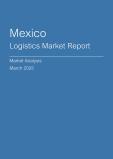
Executive Summary: Mexico Logistics Market Q4 2024
The logistics sector in Mexico is witnessing a dynamic transformation in the fourth quarter of 2024, driven by significant shifts in trade patterns, technological advancements, and evolving consumer expectations. With an emphasis on nearshoring and sustainability, the market is poised to capitalize on strategic opportunities presented by geopolitical and economic changes.
Shift in Trade Patterns and Nearshoring Trends
Mexico’s logistics sector is notably impacted by the ongoing US-China trade tensions, which have accelerated the trend towards nearshoring. Companies are increasingly relocating production facilities closer to the U.S. market to mitigate risks and reduce transportation costs. This shift has intensified demand for logistics services in northern Mexico, particularly in states like Nuevo León and Baja California, essential for facilitating cross-border trade and distribution.
Technological Advancements and Digital Transformation
Technological innovation is a critical driver of efficiency in Mexico's logistics sector. The integration of artificial intelligence (AI), the Internet of Things (IoT), and automation is reshaping logistics operations, optimizing route planning, and enhancing supply chain visibility. These advancements are crucial for meeting the growing demands of e-commerce logistics, which require rapid and reliable last-mile delivery solutions.
Impact of E-commerce and Last-Mile Delivery Innovations
The surge in e-commerce is transforming the logistics landscape in Mexico, pushing companies to innovate in last-mile delivery. Investments in fulfillment centers and strategic partnerships are enhancing delivery tracking and route optimization. As consumer expectations continue to evolve, logistics providers are prioritizing quick and efficient delivery systems to maintain competitiveness in the online retail market.
Sustainable Logistics Practices
Environmental sustainability is increasingly influencing logistics operations. Companies are adopting green logistics strategies, such as electric vehicles and energy-efficient technologies, to reduce carbon footprints and comply with environmental regulations. This shift not only meets regulatory demands but also aligns with consumer preferences, enhancing brand reputation and market positioning.
Regulatory Changes and Economic Influences
Recent regulatory changes, particularly those affecting cross-border logistics, require companies to invest in technology and training to ensure compliance and operational efficiency. Meanwhile, Mexico's monetary policy adjustments, such as interest rate cuts, provide potential relief for financing costs, encouraging investments in logistics infrastructure and technology.
Competitive Landscape and Strategic Initiatives
Key players like Grupo Bimbo, DHL, and FedEx are actively adapting to these market dynamics. Grupo Bimbo focuses on international expansion and operational efficiencies, while DHL emphasizes sustainability and technological advancements. FedEx leverages strategic routes and innovative tools to enhance global connectivity and service delivery.
Questions the Report Answers
- How are geopolitical shifts affecting logistics operations in Mexico?
- What technological advancements are transforming logistics and supply chain management?
- How is the growth of e-commerce influencing logistics demand and last-mile delivery?
- What sustainable practices are logistics companies adopting to meet environmental regulations?
- How are interest rates and inflation impacting logistics investments and operations?
- What are the strategic responses of key logistics players to market challenges and opportunities?
The Mexico logistics market in Q4 2024 is characterized by a complex interplay of economic factors, regulatory changes, and technological advancements. Companies that effectively navigate these challenges and leverage emerging opportunities are likely to secure a competitive advantage in this rapidly evolving landscape.