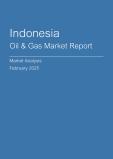
Executive Summary of Indonesia Oil & Gas Market Report - Q4 2024
Overview of Indonesia's Oil & Gas Market Dynamics
The fourth quarter of 2024 presents a dynamic landscape for Indonesia's oil and gas market, with significant developments across various segments. The country's strategic initiatives in both traditional and renewable energy sectors are reshaping the industry amidst global economic pressures and environmental sustainability goals.
Upstream Sector Developments
Indonesia is actively revitalizing its upstream sector by opening 60 new oil and gas blocks for investment. This initiative aims to attract foreign investment and boost domestic production, countering the steady decline in local output. The focus on exploration and production is vital as Indonesia seeks to enhance energy security and leverage its natural resources more effectively.
Midstream Expansion and Infrastructure Developments
Significant progress is being made in Indonesia's midstream sector, including the construction of a new Liquefied Petroleum Gas (LPG) plant. This facility is expected to enhance domestic supply and reduce import dependency, aligning with the government's broader strategy to achieve energy self-sufficiency. Improvement in transportation and storage capacities is crucial for optimizing the supply chain and reducing costs.
Downstream Sector Challenges and Innovations
The downstream sector faces logistical and regulatory challenges, especially with the planned introduction of B40 biodiesel, which increases the palm oil component to 40%. Companies are adapting by integrating digital solutions and automation to streamline processes and enhance supply chain resilience, crucial for maintaining competitiveness amid fluctuating oil prices.
Renewable Energy Integration and Strategic Shifts
Indonesia is witnessing a significant push towards renewable energy integration within its oil and gas operations. Initiatives include collaborations to develop geothermal and solar energy projects, reflecting a strategic shift towards sustainability. This move is supported by both government policies and private sector investments, aiming to diversify the energy mix and reduce carbon footprints.
Regulatory Environment and Economic Implications
Recent regulatory changes, including the planned increase in Value Added Tax (VAT) to 12% by 2025, are poised to impact the cost structure within the oil and gas industry. This necessitates strategic adaptation by companies to manage increased operational expenses while maintaining market competitiveness. The government's emphasis on environmental regulations further encourages the adoption of cleaner technologies and sustainable practices.
Key Questions the Report Answers:
- How is Indonesia's upstream oil and gas sector evolving in Q4 2024?
- What are the latest developments in Indonesia's midstream infrastructure?
- What challenges does the downstream sector face with the introduction of B40 biodiesel?
- How is renewable energy integration impacting Indonesia's oil and gas market?
- What are the implications of regulatory changes on Indonesia's oil and gas industry?
- How are companies adapting to fluctuating oil and gas prices in Indonesia?
Conclusion
In conclusion, Q4 2024 is marked by strategic initiatives and challenges in Indonesia's oil and gas market. The sector is navigating a complex landscape of regulatory changes, technological innovations, and a strategic shift towards renewable energy. These developments are critical for enhancing energy security, sustainability, and economic growth in Indonesia.