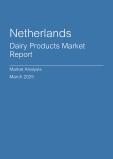
Executive Summary of the Netherlands Dairy Products Market Q4 2024
In the fourth quarter of 2024, the Netherlands dairy products market showcased significant growth and resilience, driven by evolving consumer preferences and strategic industry advancements. The market observed robust performance across various segments, including milk, cheese, yogurt, and butter, while also witnessing notable shifts towards plant-based and lactose-free alternatives. This summary provides an insight into the key dynamics influencing the dairy products market in the Netherlands and highlights strategic opportunities and challenges faced by industry players.
Key Trends in the Milk Market and Cheese Market
The milk market and cheese market in the Netherlands continued to thrive, supported by strong domestic demand and export performance. The strategic positioning of the Netherlands as a leading exporter within the EU, notably to Germany and Belgium, has reinforced its market influence. However, rising production costs and evolving consumer preferences towards plant-based alternatives present challenges that the industry must navigate through innovation and strategic market positioning.
Yogurt Market and Butter Market Dynamics
The yogurt market in the Netherlands has been significantly influenced by health trends, with a surge in demand for high-protein and probiotic-rich products. Consumers are increasingly seeking functional foods that offer added health benefits, driving innovation in yogurt offerings. Conversely, the butter market, while stable, faces competition from plant-based spreads, necessitating strategic differentiation to retain its market share.
Emerging Segments: Plant-Based and Lactose-Free Dairy Products Market
The plant-based dairy alternatives market and lactose-free dairy products market are gaining traction in the Netherlands, driven by changing consumer dietary needs and preferences for sustainable options. The rise in health consciousness and environmental awareness has propelled the demand for these alternatives, challenging traditional dairy producers to innovate and diversify their product portfolios to capture a share of these growing segments.
Impact of Technological Advancements and Sustainability Initiatives
Technological advancements in dairy production have played a pivotal role in enhancing the efficiency and quality of products in the Netherlands. Automation and sustainable practices have not only optimized production processes but also aligned with consumer demand for environmentally friendly products. These initiatives are critical for maintaining the competitiveness of the Dutch dairy industry in both domestic and international markets.
Regulatory Developments and EU Policy Influence
Regulatory changes in the Netherlands are driving the adoption of sustainable practices within the dairy sector. The impact of EU policies on trade, subsidies, and environmental standards continues to shape the market dynamics, necessitating strategic adjustments by producers to comply and thrive in the evolving regulatory environment.
Strategic Insights and Competitive Landscape
The competitive landscape of the Netherlands dairy products market is marked by strategic mergers, acquisitions, and collaborations among key players. Companies like FrieslandCampina, Danone, Nestlé, Arla Foods, and Unilever are actively pursuing innovations and sustainability initiatives to strengthen their market positions. The focus on strategic alignment with consumer trends, particularly around health and sustainability, is evident across these industry leaders.
Questions the Report Aims to Answer
- What are the current trends in the dairy products market in the Netherlands, specifically in milk, cheese, yogurt, and butter?
- How are plant-based and lactose-free dairy products impacting the traditional dairy market?
- What role do technological advancements play in the efficiency and quality of dairy production?
- How do regulatory changes and EU policies affect the Netherlands dairy market?
- What strategic moves are key players making to maintain competitiveness in the dairy market?