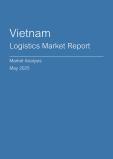
Executive Summary: Vietnam Logistics Market Q1 2025
In Q1 2025, Vietnam's logistics sector continues to experience dynamic growth, driven by several key trends that align with the country's broader economic ambitions. The logistics landscape is significantly influenced by the burgeoning e-commerce market, which surpassed $25 billion in 2024, necessitating rapid adaptation in logistics capabilities to handle increased volumes and meet evolving consumer expectations for speed, reliability, and sustainability.
E-Commerce Expansion and Impact on Logistics
The rapid growth of e-commerce in Vietnam is a major catalyst for the logistics sector. The increased demand for last mile delivery services underscores the need for logistics companies to invest in advanced technologies and expand warehousing and distribution centers. This expansion is crucial for supporting efficient and reliable delivery services, which are critical to maintaining customer satisfaction in the highly competitive e-commerce environment.
Infrastructure Developments Enhancing Supply Chain Efficiency
Infrastructure development, such as the $8.3 billion railway link to China, plays a pivotal role in enhancing logistics efficiency in Vietnam. These projects aim to improve regional connectivity, streamline transportation, and reduce logistics costs, thereby reinforcing Vietnam's strategic position as a logistics hub in Southeast Asia.
Growth and Innovations in Cold Chain Logistics
The cold chain logistics sector in Vietnam is expanding significantly due to rising demand for temperature-controlled logistics solutions, particularly in the perishable goods and pharmaceutical sectors. Investments in advanced technologies and infrastructure enhancements are critical to supporting this growth, ensuring efficient and reliable cold storage and distribution networks.
Technological Advancements and Sustainable Practices
Technological innovations such as AI, automation, and blockchain are transforming Vietnam's logistics sector. These advancements are essential for optimizing supply chain operations, enhancing efficiency, and maintaining competitiveness. Additionally, there is a growing emphasis on sustainable logistics practices, driven by consumer demand for eco-friendly solutions and regulatory pressures to reduce carbon emissions.
Strategic Responses to Trade and Economic Challenges
Vietnam's logistics sector is navigating challenges such as potential US trade tariffs and global economic uncertainties. The government's strategic focus on infrastructure investment and trade diversification is pivotal in mitigating these risks. Furthermore, the logistics industry is adapting to regulatory changes aimed at reducing environmental impact and enhancing trade efficiency.
Competitive Landscape and Market Opportunities
Key players like Viettel Post, DHL, and CJ Logistics are strategically positioning themselves to capitalize on market opportunities. Investments in digital transformation, global partnerships, and service expansions are crucial for maintaining their competitive edge in the evolving logistics landscape of Vietnam.
Key Questions Addressed in the Report
- How is the growth of e-commerce affecting logistics operations in Vietnam?
- What infrastructure developments are enhancing logistics efficiency?
- How are technological advancements transforming the logistics sector?
- What are the challenges and opportunities in the cold chain logistics sector?
- How are companies adapting to new regulatory changes in logistics?
- What strategies are logistics companies employing to maintain competitiveness?