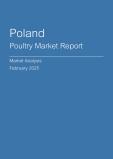
Poultry Market Dynamics in Poland Q4 2024
The poultry market in Poland during the fourth quarter of 2024 is characterized by robust growth and evolving consumer preferences. This growth is driven by advancements in farming practices and rising demand both domestically and internationally. With a production volume reaching significant metrics, Poland continues to strengthen its position as a leading poultry producer in the European Union.
Broiler Chickens Market: Challenges and Opportunities
The broiler chickens market in Poland faces both challenges and opportunities. Rising feed and energy costs, exacerbated by geopolitical tensions, impact profitability. However, technological advancements in farming techniques, such as precision farming and automation, offer pathways to increased efficiency and reduced costs. The Polish government’s support in expanding agricultural outputs further enhances the sector’s potential.
Egg Production Market Trends
Egg production in Poland is experiencing growth driven by health trends and consumer demand for nutritional benefits. The sector is adapting to consumer preferences for high-protein diets, despite the rising production costs. Sustainable farming practices are increasingly being adopted to meet consumer expectations for natural and minimally processed foods.
Consumer Preferences and Economic Impacts on Poultry Demand
Economic conditions, including inflation reaching 5% by October 2024, influence consumer purchasing behavior. Price sensitivity is prevalent, yet demand for organic poultry options remains strong among affluent segments. The trend towards health-conscious and sustainable choices is reshaping market strategies, leading to diversification in product offerings.
Technological and Regulatory Influences on Poultry Production
Technological Advancements in Poultry Farming
Poland's poultry farming sector is integrating advanced technologies to improve efficiency and sustainability. Automation in housing and feeding systems, along with precision farming, enhances production quality while reducing environmental impact. These innovations align with Poland’s environmental goals and consumer demand for sustainably produced food.
Impact of New Health and Safety Regulations
New EU regulations in Q4 2024 focus on antibiotic use and humane slaughterhouse practices, impacting poultry health and safety standards in Poland. Compliance increases operational costs but opens opportunities for differentiation in the market by emphasizing high standards of health and safety, enhancing competitiveness domestically and internationally.
Economic Context and Competitive Landscape
Economic Growth and Its Influence on Poultry Market
Poland's GDP growth of 2.7% in Q3 2024 supports the expansion of the poultry market, driven by stable consumer expenditure and government investments. The sector must manage rising production costs to leverage this growth effectively. Continued government support and export potential are key for sustained market development.
Competitive Landscape in Poland's Poultry Sector
Key players such as Cargill, Smithfield Foods, and Tyson Foods are navigating the market with varying strategies. Cargill focuses on sustainability and innovation, Smithfield is undergoing strategic restructuring, and Tyson Foods is expanding internationally despite operational challenges. These dynamics shape the competitive environment in Poland’s poultry market.
Critical Questions Addressed in the Report
- What are the current trends and future outlook for the poultry market in Poland?
- How are rising feed and energy costs impacting the broiler chickens market?
- What are the major consumer preferences influencing poultry demand in Poland?
- How are technological advancements affecting poultry production efficiency?
- What regulatory changes are influencing health and safety standards in poultry production?
- How is the economic growth of Poland affecting the poultry market?
- What strategies are leading companies employing to navigate the competitive landscape?