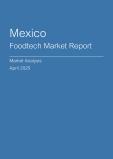
Executive Summary: Mexico Foodtech Market Report Q1 2025
The food technology sector in Mexico is undergoing significant transformations in Q1 2025, driven by shifts in consumer preferences, technological advancements, and evolving economic conditions. This report explores the market dynamics, key trends, and strategic developments shaping the Foodtech landscape in Mexico, emphasizing areas with the most profound impact on the industry.
Rising Demand for Alternative Proteins and Plant-Based Foods
Mexico's Foodtech market is witnessing a robust increase in demand for alternative proteins and plant-based foods. This surge is driven by heightened health consciousness and environmental awareness among consumers, aligning with global trends towards sustainable eating habits. Approximately 20% of Mexicans have adopted a vegan lifestyle, prompting Foodtech companies to innovate and localize plant-based offerings to suit traditional Mexican culinary preferences.
Adoption of Smart Kitchen Technologies
Urban households in Mexico are increasingly adopting smart kitchen technologies, fueled by the integration of IoT and connected appliances. This trend enhances convenience and efficiency, allowing consumers to remotely manage kitchen devices and optimize energy consumption. However, challenges such as affordability and regional connectivity persist, impacting broader adoption.
Expansion of Food Delivery and Online Grocery Market
The food delivery and online grocery sectors in Mexico are experiencing rapid growth, driven by digital platform adoption and changing consumer lifestyles. Companies like Rappi and Uber Eats are expanding their offerings, catering to the increased demand for convenience and fast delivery. This expansion is reshaping consumer behavior, with a noticeable shift from traditional in-store shopping to digital purchases.
Advancements in Precision Agriculture and Vertical Farming
Mexico's agricultural sector is transforming with precision agriculture technologies and vertical farming initiatives. These innovations enhance productivity and sustainability, addressing urbanization and food security challenges. The use of IoT devices and smart irrigation is optimizing resource use, while vertical and urban farming projects are reducing food miles and promoting local produce.
Growth of Personalized Nutrition and Health-Focused Consumer Behavior
Personalized nutrition is gaining traction in Mexico, as consumers seek health-oriented solutions tailored to individual needs. Advances in AI and data analytics facilitate customized dietary plans, prompting food manufacturers to adapt their products to meet specific health goals and dietary preferences.
Economic Factors Influencing Consumer Behavior
Economic conditions, including inflation and interest rate adjustments, are impacting consumer purchasing power in Mexico. While inflation has eased, disposable income levels remain a key factor in consumers' ability to choose premium and sustainable food products. The Foodtech sector is responding by innovating cost-effective solutions to broaden access to these products.
Technological Innovations in Food Safety and Robotics
Food safety and traceability are being enhanced through blockchain technology, improving transparency and consumer trust. Additionally, the adoption of robotics and automation in food processing is boosting efficiency and reducing labor costs, positioning the sector for growth and modernization.
Regulatory Changes and Sustainable Food Practices
Recent regulatory changes, including the lifting of GMO bans, are impacting agricultural practices in Mexico. Concurrently, policies promoting sustainable food practices are encouraging eco-friendly farming and production, aligning with global sustainability goals.
Key Questions Answered in the Report
- What are the primary drivers behind the increased demand for alternative proteins and plant-based foods in Mexico?
- How is the adoption of smart kitchen technologies influencing consumer behavior in urban Mexican households?
- What strategies are food delivery platforms implementing to capture a larger share of the Mexican market?
- How are precision agriculture technologies transforming Mexico's agricultural sector?
- What factors are contributing to the growth of personalized nutrition in Mexico?
- How are economic conditions affecting consumer behavior and purchasing decisions in the Foodtech sector?
- What role is blockchain technology playing in enhancing food safety and traceability in Mexico?
- How are regulatory changes impacting the Foodtech industry and agricultural practices in Mexico?