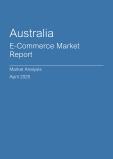
Executive Summary: E-Commerce in Australia Q1 2025
In the first quarter of 2025, the E-Commerce sector in Australia has experienced substantial growth, driven by technological advancements, consumer behavior shifts, and strategic market adaptations. This report provides a comprehensive analysis of the current trends, challenges, and opportunities within the Australian E-Commerce landscape, including key market segments such as B2C, B2B, C2C, Mobile Commerce, Social Commerce, Cross-Border E-Commerce, Subscription E-Commerce, Marketplace E-Commerce, and Direct-to-Consumer models.
Key Trends and Developments in Australian E-Commerce
Surge in Online Shopping and Spending Patterns
The Australian E-Commerce market reached a record $69 billion in online goods spending over the past year, marking a 12% increase from the previous year. This growth is fueled by consumer preferences for convenience and competitive pricing, particularly in high-spending categories such as marketplaces, food and liquor, and fashion. Sydney remains a major contributor, with significant consumer engagement in online retail.
Impact of Black Friday and Competitive Landscape
Black Friday sales have become a pivotal event, driving a notable increase in retail activity and consumer engagement. Major players like Amazon continue to dominate, enhancing their presence while others like Catch have exited due to competitive pressures. This highlights the ongoing consolidation in the Marketplace E-Commerce sector.
Technological Advancements in E-Commerce
Technological innovation, particularly in AI and machine learning, has reshaped the Australian E-Commerce landscape. Enhanced personalization, improved logistics, and AI-driven customer interactions are driving competitive advantage and operational efficiencies.
Mobile Commerce Growth
Mobile Commerce (M-Commerce) has emerged as a significant force, with a substantial portion of online transactions being conducted via mobile devices. Businesses are optimizing for mobile platforms to capture the growing consumer preference for mobile shopping experiences.
Economic and Regulatory Influences
Economic factors such as inflation, interest rates, and consumer confidence are influencing E-Commerce behaviors. Regulatory changes focusing on consumer protection and data security are also impacting operational strategies and market dynamics.
Challenges and Opportunities in Australian E-Commerce
Market Competition and Consumer Behavior
The competitive landscape is characterized by intense rivalry among major players like Amazon and emerging platforms. Consumer behavior is increasingly influenced by economic conditions, with a focus on value and convenience driving loyalty strategies.
Supply Chain and Operational Challenges
Supply chain disruptions and labor market constraints pose challenges, impacting pricing and delivery capabilities. E-Commerce businesses need to leverage technology and strategic partnerships to mitigate these issues and enhance service delivery.
Sustainability and Innovation
Sustainability initiatives are gaining traction, with a focus on eco-friendly practices and innovative packaging solutions. These efforts align with consumer demand for sustainable products, providing opportunities for differentiation and market growth.
Questions Addressed in the Report
- What are the key growth drivers in the Australian E-Commerce market for Q1 2025?
- How are technological advancements influencing consumer behavior and operational efficiency?
- What challenges and opportunities exist in the competitive landscape of Australian E-Commerce?
- How do economic and regulatory changes impact E-Commerce strategies and consumer confidence?
- What are the implications of mobile commerce growth on traditional retail models?
- How can businesses leverage sustainability initiatives to enhance market presence?
The report aims to provide strategic insights and actionable recommendations for stakeholders looking to navigate and capitalize on the evolving E-Commerce landscape in Australia, ensuring sustained growth and competitive advantage in 2025.