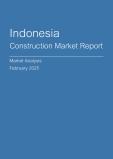
Executive Summary: Indonesia Construction Market Report - Q4 2024
The fourth quarter of 2024 presents a dynamic landscape for the construction market in Indonesia, characterized by significant developments in infrastructure, residential, and commercial construction sectors. The ongoing commitment to infrastructure projects such as Nusantara and the Jakarta-Bandung high-speed railway continues to drive growth, while the adoption of green and sustainable construction practices gains momentum amidst regulatory changes.
Infrastructure and Economic Growth
Infrastructure construction remains a pivotal driver for the Indonesian economy in Q4 2024. Major projects, including the development of Nusantara and expansive toll road networks, are enhancing connectivity and economic integration across the archipelago. These projects are integral to realizing President Prabowo Subianto's ambitious economic growth target of 8% and are attracting substantial foreign direct investment, which is crucial for such large-scale developments.
Trends in Residential and Commercial Construction
Residential construction in Indonesia is witnessing a surge in demand driven by urbanization and population growth, particularly in major urban centers like Jakarta and Surabaya. However, challenges such as rising material costs and regulatory hurdles persist. In response, the sector is increasingly adopting modular and prefabricated construction techniques to enhance efficiency and reduce costs. Meanwhile, commercial construction is benefiting from Indonesia's strategic economic initiatives, with a focus on manufacturing and logistics infrastructure to support the country's role as a regional hub.
Green and Sustainable Construction Practices
There is a marked shift towards sustainable construction practices in Indonesia, propelled by government regulations mandating the integration of eco-friendly building standards in new projects. This aligns with global environmental goals and consumer demand for sustainable and energy-efficient homes. The construction industry is responding by investing in green technologies, using materials such as recycled steel and low-emission concrete, and designing buildings that maximize natural resources.
Technological Advancements in Construction
Technological innovations are transforming the construction landscape in Indonesia, with advancements in automation, drones, and digital project management tools enhancing productivity and reducing costs. These technologies are critical in addressing the challenges of rising material costs and labor shortages, ensuring that Indonesian construction companies remain competitive in a rapidly evolving market.
Challenges and Strategic Opportunities
Despite a robust construction agenda, the sector faces challenges such as regulatory complexities, fluctuating material costs, and economic volatility. However, strategic opportunities exist in expanding international collaborations and embracing innovative construction methodologies. Companies that can effectively navigate these challenges while aligning with Indonesia's development goals are poised for substantial growth in the coming quarters.
Key Questions Addressed in the Report
- How are large-scale infrastructure projects impacting the construction market in Indonesia?
- What are the main drivers and barriers for residential and commercial construction in Q4 2024?
- How are green and sustainable construction practices evolving in Indonesia?
- What role do technological advancements play in shaping the construction industry?
- What are the implications of recent regulatory changes on construction operations?
- How does the competitive landscape look for major construction companies in Indonesia?
- What opportunities exist for international expansion and strategic partnerships?