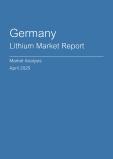
Executive Summary: Germany Lithium Market Report - Q1 2025
Overview of the German Lithium Market
In Q1 2025, Germany's lithium market is experiencing transformative developments due to strategic domestic production initiatives and the increasing demand for electric vehicles (EVs). The focus on local lithium production is driven by Germany's objective to reduce dependency on imports and strengthen its supply chain resilience against global market volatilities. Vulcan Energy Resources' achievement in producing battery-quality lithium hydroxide in Frankfurt highlights the feasibility and strategic importance of domestic production for the automotive industry.
Industry Trends and Strategic Implications
Domestic Lithium Production and Strategic Importance
Germany's potential for domestic lithium mining and production is becoming increasingly vital, especially for the automotive sector. As geopolitical tensions and trade barriers pose risks to raw material imports, local production offers a competitive edge by stabilizing supply and potentially lowering production costs for German EV manufacturers. This strategic focus aligns with Germany's environmental goals and could mitigate the impact of global lithium price fluctuations.
Emergence of Lithium Hydroxide Production
The successful production of high-purity lithium hydroxide by Vulcan Energy marks a significant advancement in Germany's lithium supply chain. This development supports the automotive industry's shift towards electric vehicles and enhances supply chain resilience by reducing import reliance. The domestic production of lithium hydroxide is poised to bolster Germany's competitive position in the global battery manufacturing landscape.
Battery Recycling Innovations
In Q1 2025, Germany is advancing its sustainability efforts through innovative battery recycling agreements, such as the partnership between Li-Cycle Holdings and a luxury EV manufacturer. These initiatives are crucial for minimizing environmental impact and reducing waste, aligning with Germany's broader goals of promoting a circular economy and resource efficiency.
Economic Context and Market Dynamics
GDP Growth and Economic Challenges
Germany's GDP growth for Q1 2025 is projected at 0.3%, indicating a slow recovery from previous contractions. The economic landscape is influenced by global trade tensions and internal structural inefficiencies. The German government's fiscal measures, including a €500 billion infrastructure fund, aim to stimulate growth and modernize infrastructure, crucial for supporting the lithium market's expansion.
Impact of Inflation and Price Dynamics
Germany's inflation rate in Q1 2025 remains stable at 2.3%, driven by energy price dynamics. Rising producer and import prices could impact production costs, influencing the competitiveness of German lithium exports and the broader market.
Innovation and Technological Advancements
Lithium-Sulfur Battery Technology
Collaborative advancements in lithium-sulfur battery technology are set to offer higher energy density and extended lifespan, presenting opportunities for Germany to lead in battery innovation. These developments are crucial for enhancing Germany's competitiveness in the global EV market.
Regulations and Strategic Partnerships
EU Critical Raw Materials Act
The EU Critical Raw Materials Act supports Germany's efforts to develop a local lithium supply chain, exemplified by strategic projects like the Guben Lithium Converter. These initiatives are vital for securing critical raw materials and reducing import dependency, enhancing Germany's market leadership in the automotive sector.
Key Questions Addressed in the Report
- What are the current trends in the German lithium market, and how do they impact domestic production?
- How is the emergence of lithium hydroxide production influencing the automotive industry's shift towards EVs?
- What innovations in battery recycling are taking place in Germany, and what are their implications for sustainability?
- How are economic factors such as GDP growth, inflation, and import prices affecting the lithium market in Germany?
- What strategic partnerships and regulatory frameworks are shaping Germany's lithium supply chain?