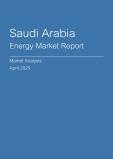
Executive Summary: Energy Market Dynamics in Saudi Arabia Q1 2025
In Q1 2025, Saudi Arabia's energy market is navigating a transformative phase, driven by a strategic shift towards renewable energy and diversification of its energy mix. The Kingdom's ambitious Vision 2030 initiative continues to guide these efforts, focusing on reducing dependency on oil and enhancing sustainable energy solutions. The following key segments highlight the major developments and trends impacting the energy market in Saudi Arabia during this period.
Transition From Fossil Fuels to Renewable Energy
Saudi Arabia is making substantial progress in its transition from fossil fuels to renewable energy, particularly solar and wind energy projects. The Kingdom plans to install 41 GW of solar power and 13 GW of wind power in the coming years, supported by mega-projects like Neom. These initiatives are critical for increasing the share of renewables in the energy mix and aligning with global sustainability commitments.
Advancements in Battery Energy Storage Systems
The Kingdom continues to innovate in energy storage solutions, with plans to integrate 14 GW/53 GWh of energy storage capacity by 2033. This expansion is crucial for enhancing grid stability and accommodating the intermittent nature of renewable energy sources, particularly solar and wind.
Solar and Wind Energy Developments
Saudi Arabia's solar energy sector is poised for rapid growth, with a target to add 20 GW of solar capacity annually. Similarly, the wind energy sector is expanding, bolstered by international collaborations and technological advancements. These efforts are key to the Kingdom's energy diversification strategy.
Growing Demand for Renewable Energy Solutions
The demand for renewable energy solutions is increasing, driven by government incentives and the Vision 2030 framework. This trend reflects a broader shift towards green energy and is reshaping traditional energy consumption patterns, reducing reliance on conventional energy sources.
Role of AI and Technology in Energy Management
Artificial Intelligence (AI) is playing a crucial role in enhancing energy management efficiency in Saudi Arabia. AI technologies are being leveraged for predictive maintenance and consumption analytics, optimizing operations and reducing costs.
Regulatory Framework and Economic Influences
Saudi Arabia's regulatory landscape is evolving to support renewable energy investments, with competitive bidding processes attracting significant international interest. Economic factors, such as inflation and wage growth, are impacting energy consumption patterns, influencing both consumer behavior and market dynamics.
Saudi Arabia's Oil Market and Fiscal Policies
The oil market in Saudi Arabia remains volatile due to global political pressures, influencing oil prices and fiscal policies. Despite these challenges, the Kingdom is committed to funding Vision 2030 projects through strategic fiscal management and diversification efforts.
Competitive Landscape in Saudi Arabia's Energy Sector
Key players in the energy market such as Saudi Aramco, ACWA Power, and Masdar are navigating opportunities and challenges. These companies are strategically positioning themselves through international expansions, partnerships, and innovative projects to maintain their competitive edge.
Questions Answered by the Report
- How is Saudi Arabia transitioning from fossil fuels to renewable energy?
- What are the key developments in solar and wind energy sectors in Saudi Arabia?
- How are advancements in battery energy storage systems enhancing Saudi Arabia's energy grid?
- What role is AI playing in energy management in Saudi Arabia?
- How are economic factors influencing energy consumption in Saudi Arabia?
- What are the regulatory measures facilitating renewable energy investments in Saudi Arabia?
- How is the volatile oil market affecting Saudi Arabia's fiscal policies?
- Who are the key players in Saudi Arabia's energy sector and what strategies are they employing?