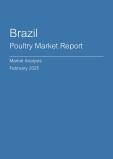
Executive Summary: Brazil Poultry Market Report - Q4 2024
The Brazil poultry market in Q4 2024 has demonstrated resilience despite significant economic and regulatory challenges. The industry is navigating a complex landscape shaped by economic pressures, international trade dynamics, and evolving consumer preferences. This summary highlights the key trends and strategic movements impacting Brazil's poultry sector, with a focus on production, consumption, and export activities.
Poultry Production and Consumption Trends in Brazil
Brazil's poultry production continues to grow, driven by advancements in production efficiencies and strong domestic demand. Despite inflationary pressures and high interest rates, which are impacting consumer purchasing power, poultry remains a staple protein source due to its affordability. Within the industry, broiler production dominates, supported by stable domestic consumption and increased export opportunities in the European market following the Mercosur-EU trade agreement.
Export Dynamics and Trade Opportunities
Brazil's poultry export sector remains robust, with significant market engagements in China, the European Union, and emerging Middle Eastern economies. The depreciated Brazilian real enhances competitiveness in international markets, making exports more affordable. However, compliance with stringent international standards is crucial, particularly under the new Mercosur-EU trade agreement, which offers expanded access to European markets.
Challenges Facing the Brazilian Poultry Sector
Key challenges include rising production costs due to inflation and increased interest rates, which elevate the cost of key inputs such as feed and energy. Additionally, regulatory compliance, particularly with new domestic and international standards, poses financial and operational challenges for producers. The impact of these economic conditions on consumer demand for poultry is significant, as affordability becomes a critical factor for maintaining consumption levels.
Technological Innovations and Sustainability Initiatives
Technological advancements are playing a crucial role in enhancing production efficiency and sustainability within Brazil's poultry sector. Innovations in breeding, feed efficiency, and disease management are critical in maintaining Brazil's competitive edge globally. Furthermore, the industry is increasingly adopting eco-friendly practices, such as waste reduction technologies and energy-efficient systems, to minimize environmental impact and meet consumer demand for sustainable products.
Impact of Regulatory Changes and Economic Policies
New domestic regulations focusing on food safety, animal welfare, and environmental standards are significantly impacting the poultry market. Compliance with these standards requires substantial investment, which could be exacerbated by ongoing fiscal and monetary policy changes, such as government spending cuts and interest rate hikes. These factors collectively pose challenges to investment in production capacity and technological upgrades.
Competitive Landscape and Strategic Initiatives
Leading industry players such as BRF S.A., JBS S.A., Tyson Foods Inc., Minerva Foods, and Cargill Inc. are navigating the competitive landscape through strategic expansions, technological investments, and sustainability initiatives. These companies are focusing on optimizing operations and capitalizing on growth opportunities within Brazil and international markets.
Questions the Report Answers
- What are the current production and consumption trends in Brazil's poultry market?
- How are economic conditions affecting consumer demand for poultry in Brazil?
- What are the key challenges and opportunities in Brazil's poultry export dynamics?
- How are technological innovations shaping the poultry sector in Brazil?
- What is the impact of new regulations on Brazil's poultry industry?
- How are leading companies in Brazil's poultry market positioning themselves for future growth?