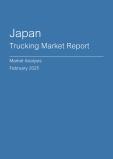
Executive Summary: Trucking Market in Japan Q4 2024
The trucking industry in Japan is undergoing a transformative phase in Q4 2024, driven by advancements in technology, evolving consumer expectations, and regulatory changes. This report highlights key trends and developments impacting the trucking market, logistics and supply chain, and commercial vehicles in Japan.
Adoption of Electric and Autonomous Vehicles in Japan's Trucking Industry
The transition to electric and autonomous vehicles continues to accelerate, spurred by stringent environmental regulations and government incentives. Leading manufacturers like Toyota and Mitsubishi are spearheading innovations, while government-supported projects, such as automated highways, aim to mitigate driver shortages and enhance fleet management efficiency.
Impact of Labor Shortages and Technological Advancements on Trucking Operations
Labor shortages remain a critical challenge, exacerbated by Japan's aging population. Companies are increasingly relying on automation, AI, and IoT to optimize logistics operations and manage fleet efficiency. The integration of smart technologies is crucial in addressing labor constraints and reducing operational costs.
Regulatory Environment and Its Influence on the Trucking Sector
New environmental regulations are shaping the trucking industry, pushing for a shift towards cleaner, more sustainable transportation solutions. The adoption of hydrogen fuel cells and electric trucks is gaining traction, supported by government incentives and infrastructure developments.
Performance and Trends in Commercial Vehicle Manufacturing
Japan's commercial vehicle manufacturing sector is focusing on sustainable technologies and electric vehicle production. Despite fluctuations in production indices, manufacturers are investing in automation and AI to enhance production efficiency and address rising costs.
Logistics and Supply Chain Innovations
The integration of digital solutions in fleet management is enhancing operational efficiency and competitiveness. Companies are leveraging IoT and AI for real-time tracking and route optimization, aligning with consumer demands for faster and more reliable freight transportation services.
Impact of Economic and Market Dynamics on Trucking Services
Japan's economic context, including low interest rates and rising inflation, influences investment strategies in fleet expansion and modernization. Export growth and a booming tourism sector boost freight demand, while trade deficits and household spending declines challenge domestic logistics operations.
Questions Addressed in the Report
- How are technological advancements affecting the trucking industry in Japan?
- What are the key challenges and opportunities in fleet management within the Japanese market?
- How do regulatory changes impact trucking operations and logistics strategies?
- What is the impact of economic factors on freight transportation services in Japan?
- How are commercial vehicle manufacturers adapting to market trends and consumer demands?
This report provides a comprehensive analysis of the current market dynamics and future outlook of the trucking industry in Japan, focusing on key segments that significantly impact logistics and supply chain operations.