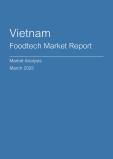
Executive Summary: Vietnam Foodtech Market Report - Q4 2024
The Vietnam Foodtech sector in Q4 2024 has showcased significant momentum, driven by technological advancements, strategic investments, and evolving consumer preferences. This period marks a transformative phase for food technology in Vietnam, with key developments across various segments demonstrating the industry's potential for growth and innovation.
Record-Breaking Rice Exports Catalyze Growth in Foodtech Vietnam
Vietnam's achievement in rice exports, surpassing 8 million tonnes, underscores its strength in the global market. This milestone has fueled advancements in food processing technologies and supply chain optimization, crucial for maintaining competitive edge. The integration of IoT and blockchain technologies for traceability and efficiency in the supply chain highlights the sector's commitment to innovation.
Digital Transformation and E-commerce Expansion in Foodtech Vietnam
Kamereo's successful $7.8 million Series B funding round exemplifies the rapid digital transformation within Vietnam's food supply chain. The expansion of B2B food e-commerce platforms is aligning with broader digital initiatives, supported by government policies and increasing foreign investment, positioning Vietnam as a regional hub for food tech innovation.
Sustainable Practices and Consumer Demand Drive Innovation
Consumer preferences in Vietnam are shifting towards sustainable and plant-based diets, significantly impacting the Foodtech sector. Innovations in waste reduction technologies and alternative protein development are catering to this demand, supported by governmental incentives for eco-friendly practices. This trend is accelerating Vietnam's emergence as a leader in sustainable food tech solutions.
Technological Integration Enhances Restaurant Tech and Food Safety
The fine dining sector in Vietnam is experiencing a technological revolution with the adoption of restaurant software and smart kitchen technologies. These advancements are enhancing luxury dining experiences and operational efficiency. Concurrently, the integration of AI and IoT in food safety and traceability is improving quality control across the food supply chain, ensuring compliance with international standards.
Impact of Trade Policies and Economic Growth on Foodtech Vietnam
Trade agreements like the CPTPP and EVFTA are opening new markets for Vietnam's Foodtech exports, particularly in rice and seafood. These policies, coupled with Vietnam's robust economic growth, provide a fertile environment for the Foodtech industry to thrive. The strategic focus on maintaining high GDP growth is expected to further attract investments and drive technological advancements in the sector.
Challenges and Opportunities in Food E-commerce and Robotics
Inflation and rising food prices present challenges for the Foodtech sector, prompting a focus on cost-saving innovations and efficiency. The integration of food automation and robotics is transforming production and distribution, offering significant opportunities for growth. Continued investment in technology and strategic adaptation will be key to navigating these challenges and sustaining competitive advantage.
Key Questions Addressed in the Report
- How is the record-breaking rice export performance impacting the Foodtech sector in Vietnam?
- What role does digital transformation play in the expansion of food supply e-commerce platforms?
- How are consumer preferences for sustainable and plant-based diets influencing Foodtech innovations?
- What technological advancements are enhancing restaurant operations and food safety in Vietnam?
- How do trade policies and economic growth support the expansion of Vietnam's Foodtech exports?
- What are the challenges and opportunities for automation and robotics in Vietnam's Foodtech industry?
In conclusion, the Vietnam Foodtech market in Q4 2024 is poised for continued growth and innovation. The sector's ability to adapt to technological advancements, consumer trends, and economic policies will be crucial in maintaining its competitive edge and driving sustainable development in the coming quarters.