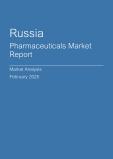
Overview of Pharmaceuticals in Russia: Strategic Shifts in Q4 2024
The fourth quarter of 2024 marks a transformative period for the Russian pharmaceutical industry, largely driven by geopolitical tensions and economic sanctions. These external pressures have prompted a strategic pivot towards enhancing local production capabilities and forging international partnerships, particularly with BRICS nations like India and China. These alliances are crucial for ensuring a stable supply of pharmaceutical raw materials and advanced technologies, essential to offset the disruptions in traditional supply chains.
Strategic Partnerships and Local Production: A New Focus for Russia's Pharmaceutical Sector
As sanctions continue to impact the import of essential components, Russia is increasingly relying on strategic partnerships to secure pharmaceutical inputs. The $1 billion deal with India, highlighted at the St. Petersburg International Economic Forum, exemplifies the significant efforts to mitigate supply chain vulnerabilities. Concurrently, the Russian government is prioritizing local production by investing in domestic infrastructure, aiming for greater self-sufficiency and reduced reliance on imports.
Impact of Geopolitical Tensions on Supply Chains and Market Dynamics
The ongoing conflict between Russia and Ukraine has exacerbated supply chain challenges, leading to increased operational costs and a slowdown in the introduction of new therapies. This has prompted a shift towards local production capabilities, highlighting the need for substantial capital investment and alignment with international quality standards to maintain market competitiveness.
Segment Highlights: Biopharmaceuticals, Generic Drugs, and OTC Market Trends
The biopharmaceuticals and biologics segment is experiencing growth, driven by innovation and strategic international collaborations. The generic drugs market is also undergoing transformation, focusing on local production to meet domestic demand amid geopolitical tensions. Meanwhile, the over-the-counter (OTC) drugs market is witnessing increased demand due to economic pressures, with consumers seeking affordable healthcare solutions.
Technological Innovations and Regulatory Adaptations in Pharmaceutical Manufacturing
Technological advancements, such as automation and AI, are being adopted to enhance manufacturing efficiency and reduce costs. These innovations are crucial for maintaining competitiveness and ensuring compliance with evolving regulatory standards, which emphasize drug safety and local production capabilities.
Regulatory and Economic Challenges: Navigating the New Landscape
Regulatory changes are reshaping the market dynamics, with new compliance requirements aimed at bolstering local production. The geopolitical climate and financial instability, marked by high inflation and interest rates, pose additional challenges, necessitating strategic adaptations to maintain operational viability.
Competitive Landscape and Strategic Opportunities
Major players like R-Pharm, Novartis, AstraZeneca, and Sanofi are navigating the Russian market's complexities through strategic alliances and local initiatives. These efforts are essential for addressing regulatory challenges and capitalizing on emerging market opportunities, particularly in high-demand therapeutic areas such as oncology and diabetes.
Crucial Questions Addressed by the Report
- How are geopolitical tensions affecting the pharmaceutical supply chain in Russia?
- What strategic partnerships are being formed to ensure market stability?
- How is the shift towards local production impacting the pharmaceutical industry?
- What are the current trends in the biopharmaceuticals, generic drugs, and OTC markets?
- What technological innovations are being implemented in pharmaceutical manufacturing?
- How are regulatory changes influencing market dynamics and strategic decisions?
- What are the competitive strategies of key players in the Russian pharmaceutical market?