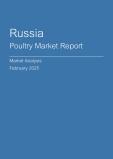
Executive Summary: Russia Poultry Market Report - Q4 2024
In the fourth quarter of 2024, the Russian poultry market showcased a dynamic landscape shaped by a confluence of geopolitical tensions, economic pressures, and innovative strategies. Despite these challenges, the market demonstrated resilience, driven by strategic adaptations and a robust domestic demand for poultry products. This executive summary outlines key trends, challenges, and strategic movements in the Russian poultry industry during this period.
Key Trends in Russia's Poultry Market in Q4 2024
The Russian poultry market experienced notable export growth during Q4 2024, primarily fueled by increasing demand from Asian and Middle Eastern markets. This surge in exports was supported by competitive pricing and improved poultry quality, making Russian poultry attractive internationally. However, the ongoing Russia-Ukraine conflict and Western sanctions introduced significant obstacles, including trade barriers and increased production costs due to disrupted supply chains and heightened energy prices.
Impact of Global Feed Prices on Poultry Production
Volatile global grain and oilseed prices significantly impacted feed costs, a major expense for poultry producers in Russia. This volatility, compounded by geopolitical tensions, led to increased production costs and squeezed profit margins. Producers responded by optimizing feed formulations and investing in technology to manage costs and improve efficiency.
Domestic Production and Consumption Resilience
Despite external economic pressures, Russia's domestic poultry production and consumption remained strong in Q4 2024. The affordability of poultry compared to other protein sources sustained consumer demand, particularly amid inflationary pressures. Enhanced farming techniques and technological innovations, such as automation and precision farming, also contributed to efficient production processes.
Technological Innovations in Poultry Farming
Technological advancements continued to play a crucial role in enhancing production efficiency and product quality. Automation in feeding, watering, and climate control systems improved operational efficiency and animal welfare, leading to better-quality poultry products. Government support through subsidies and tax incentives facilitated the adoption of these technologies, driving the industry's transformation towards sustainability.
Regulatory Changes and Market Dynamics
In Q4 2024, regulatory changes focused on aligning with international standards, impacting compliance and market access. Stricter controls on antibiotic usage in poultry farming were introduced to address global concerns over antibiotic resistance. Additionally, environmental regulations prompted sustainable practices, such as waste recycling and energy-efficient operations, to reduce the industry's environmental footprint.
Competitive Landscape in Russia's Poultry Market
Major players in the global poultry industry, such as Tyson Foods, Cargill, and BRF S.A., navigated a complex competitive landscape in Russia. Tyson Foods focused on optimizing its international operations, including those in Russia, to enhance global market presence. Cargill's strategic realignment and commitment to sustainability positioned it to address future challenges. Meanwhile, BRF S.A. pursued localized initiatives to strengthen its market position in Russia, leveraging strategic acquisitions to diversify its product offerings.
Strategic Questions Addressed in the Report
- How have geopolitical tensions and sanctions affected Russia's poultry trade and market dynamics?
- What strategies are Russian poultry producers employing to manage increased production costs?
- How are technological innovations shaping the future of poultry production in Russia?
- What are the implications of regulatory changes on the Russian poultry market?
- How are consumer preferences influencing poultry consumption trends in Russia?
- What competitive strategies are major global poultry companies adopting in the Russian market?
The Russia Poultry Market Report for Q4 2024 provides an in-depth analysis of these critical areas, offering valuable insights into the current state and future outlook of the Russian poultry industry.