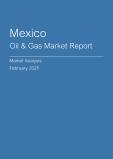
Executive Summary: Mexico Oil & Gas Market in Q4 2024
The fourth quarter of 2024 was a pivotal period for the oil and gas industry in Mexico, characterized by persistent challenges and emerging opportunities. Despite ongoing issues with aging infrastructure and financial constraints at Petróleos Mexicanos (Pemex), significant strides were made in strategic partnerships and technological advancements.
Production and Operational Challenges in Mexico's Oil & Gas Sector
Mexico's oil production continued on a downward trajectory, influenced by Pemex's financial burdens and operational inefficiencies. The state-owned company faced substantial debt, limiting its capacity to invest in modernization and new technologies essential for enhancing production levels. This situation was further complicated by global market volatility and internal economic pressures, including inflation and proposed U.S. tariffs on Mexican exports.
Impact of U.S. Tariff Policies on Mexico's Oil & Gas Export Strategy
The proposed U.S. tariffs on Mexican oil and gas exports presented a substantial challenge, potentially reshaping Mexico's export strategy. This necessitated exploring alternative markets and increasing domestic consumption to offset potential losses. The focus shifted towards strengthening trade relationships with Asian and European markets and enhancing domestic refining capabilities to reduce reliance on export revenues.
Global Energy Demand and Natural Gas Exports from Mexico
The interdependence between the U.S. and Mexico's natural gas sectors became more pronounced, underscored by the U.S.'s reliance on Mexican imports during periods of heightened demand. Despite potential tariff impacts, Mexico's strategic positioning and export capabilities remained critical, with opportunities to expand into Asian and European markets as the global energy landscape evolved.
Key Developments in Mexico's LNG Sector
Significant advancements were made in Mexico's LNG capabilities, highlighted by the completion of New Fortress Energy's floating LNG facility. This development bolstered Mexico's position in the international market, aligning with its strategy to leverage natural gas as a transition fuel to support economic growth while reducing carbon emissions.
Regulatory Changes and their Impact on the Oil & Gas Industry
New regulations aimed at modernizing infrastructure and improving environmental compliance were introduced, increasing operational costs in the short-term but promising long-term sustainability. These changes, coupled with external pressures from proposed U.S. tariffs, required strategic adaptations from industry players to maintain competitiveness.
Investment and Market Dynamics
Foreign Direct Investment (FDI) in Mexico's oil and gas sector remained robust, reflecting confidence in the country's strategic reforms and resource potential. The Mexican government's financial support for Pemex was crucial in addressing debt obligations, ensuring continued operations amidst challenging economic conditions.
Questions Addressed by the Report
- What are the current production challenges in Mexico's oil and gas sector?
- How might U.S. tariff policies affect Mexico's oil and gas export strategy?
- What role does Mexico play in the global natural gas market?
- What are the significant developments in LNG and natural gas infrastructure in Mexico?
- How are regulatory changes impacting the Mexican oil and gas industry?
- What is the outlook for foreign investment in Mexico's oil and gas sector?
In summary, Q4 2024 presented a complex landscape for Mexico's oil and gas industry, with significant challenges and opportunities shaping future strategies. The industry's ability to adapt to regulatory changes, leverage technological advancements, and navigate international trade dynamics will be crucial for its sustained growth and competitiveness.