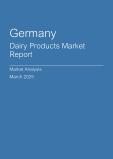
Executive Summary: Dairy Products Market in Germany - Q4 2024
In the fourth quarter of 2024, the German dairy products market is undergoing significant transformations driven by changing consumer preferences, economic fluctuations, and regulatory pressures. The industry is characterized by a growing demand for sustainable and health-oriented dairy options, with notable shifts towards plant-based and lactose-free alternatives. These trends are reshaping the traditional dairy market, while economic uncertainties and inflation continue to influence pricing strategies.
Key Trends and Market Dynamics in Germany's Dairy Products Sector
The German dairy market is witnessing a marked shift towards plant-based dairy alternatives, propelled by rising consumer awareness of health and environmental benefits. In Q4 2024, sales of plant-based milk products, including soy, almond, and oat milk, have captured a significant market share, reflecting a broader European trend. This shift is complemented by an increase in demand for organic dairy products, which now constitute approximately 15% of the total dairy market in Germany.
Traditional dairy segments, including the milk, cheese, yogurt, and butter markets, face challenges from these emerging alternatives and the growing emphasis on sustainability. Despite economic pressures, the market for lactose-free dairy products is expanding, driven by dietary needs and health trends. The focus on health and wellness is further evidenced by the popularity of low-fat, fortified, and protein-enriched dairy items.
Economic and Regulatory Influences on Dairy Products Market
The economic landscape in Germany during Q4 2024 presents both challenges and opportunities for the dairy industry. Inflationary pressures, with the consumer price index rising to 2.2% in October, have led to increased production costs. Meanwhile, GDP contraction impacts consumer purchasing power, prompting a shift towards more affordable dairy options. The European Central Bank's monetary policies, including interest rate cuts, aim to alleviate some financial pressures by reducing borrowing costs.
Regulatory changes, particularly EU environmental regulations, are encouraging the adoption of sustainable practices within the dairy sector. Producers are increasingly investing in renewable energy and waste reduction initiatives to align with these mandates and consumer expectations for eco-friendly products.
Competitive Landscape and Strategic Initiatives in Germany
Key players in the German dairy market, such as DMK Group, Müller Group, and Arla Foods, are actively adapting to the evolving market dynamics. Müller Group has strengthened its market presence through strategic acquisitions, while Arla Foods focuses on expanding its health ingredients portfolio and sustainability initiatives. These companies are leveraging technological advancements and innovative product formulations to maintain competitiveness.
Danone S.A. and Nestlé S.A. are also prominent players, with Danone expanding its product offerings and strategic partnerships to cater to local consumer demands. Nestlé continues to focus on digital transformation and sustainability, enhancing its market position amidst economic challenges.
Key Questions Addressed in the Report
- What are the current trends in the dairy products market in Germany?
- How are economic fluctuations impacting dairy production and pricing in Germany?
- What strategic initiatives are key players undertaking in the German dairy market?
- How are consumer preferences shifting towards organic and sustainable dairy products?
- What role do technological advancements play in the German dairy industry?
- How are regulatory changes influencing the dairy products market in Germany?