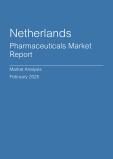
Executive Summary: Pharmaceuticals in the Netherlands - 2024 Q4
The fourth quarter of 2024 marked a transformative period for the pharmaceuticals sector in the Netherlands, characterized by rapid advancements, strategic collaborations, and regulatory shifts. The Dutch pharmaceuticals market benefitted from stable inflation, robust foreign investments, and strategic innovations, positioning it as a key player in the European and global markets.
Industry Trends and Market Dynamics
The biopharmaceutical sector in the Netherlands experienced remarkable growth, driven by increased foreign direct investments and international collaborations. Key developments included the submission of IND applications aimed at chronic diseases and innovations in oncology and immunology. The country's strategic location and advanced infrastructure continue to attract multinational pharmaceutical entities, fostering a conducive environment for research and development.
Generic drugs maintained a dominant presence in the Dutch market, bolstered by cost-effectiveness and favorable government policies. The volume of generics in the re-imbursed market rose, reflecting ongoing demand for affordable healthcare solutions. Meanwhile, branded drugs retained significant value in niche therapeutic areas like oncology and specialty pharmaceuticals, where patent protection is crucial.
Digital Health and Telemedicine Integration
Digital health technologies, including telemedicine platforms, transformed the pharmaceutical landscape in the Netherlands. These innovations enabled virtual consultations and remote patient monitoring, enhancing patient engagement and adherence to treatment plans. The government's support for digital health initiatives facilitated the adoption of electronic prescriptions and digital health records, streamlining operations and improving healthcare delivery.
Active Pharmaceutical Ingredients (APIs) and Manufacturing Insights
The API market in the Netherlands saw dynamic changes, with increased demand for innovative therapies in oncology and chronic diseases. The focus on sustainable production methods and compliance with stringent EU regulations posed challenges, yet companies like Synthon expanded production capabilities through strategic partnerships.
Industrial production recovery contributed positively to the pharmaceutical supply chain, reducing disruptions and stabilizing production schedules. As the manufacturing sector recovers, pharmaceutical companies are poised to enhance operational stability and innovation capacity.
Over-the-Counter (OTC) and Nonprescription Drug Market
The OTC drug market experienced significant growth, driven by consumer preferences for convenience and accessibility. The expansion of the e-pharmacy sector provided easy access to a wide range of medications, supporting the trend towards self-care and preventive healthcare.
Biologics and Biosimilars: Regulatory and Market Developments
The biologics and biosimilars market continued to evolve, supported by regulatory advancements and strategic collaborations. The Dutch Medicines Evaluation Board facilitated the approval of biosimilars, ensuring safety and efficacy. Strategic partnerships enhanced the development and distribution of these products, positioning the Netherlands as a hub for biopharmaceutical innovation.
Consumer Insights and Demographic Influences
Consumer preferences in the Netherlands indicated a strong inclination towards preventive healthcare products and nutraceuticals, driven by increasing health awareness. The aging population and urbanization trends significantly influenced pharmaceutical demand, with a growing need for medications addressing chronic conditions prevalent among older adults.
Regulatory Changes and Economic Context
The Dutch pharmaceutical industry adapted to significant regulatory changes that expedited drug approval processes for innovative therapies. EU directives continued to impact market access and compliance, aligning with broader efforts to harmonize regulations across Europe. The stable inflation environment supported predictable cost structures, facilitating investment in research and development.
Key Questions Addressed in the Report
- What are the major trends shaping the pharmaceuticals market in the Netherlands in Q4 2024?
- How are digital health and telemedicine impacting the pharmaceutical industry in the Netherlands?
- What factors are driving the growth of generic drugs in the Dutch market?
- What role do biologics and biosimilars play in the current pharmaceutical landscape?
- How are regulatory changes affecting drug approval processes and market access?
- What is the impact of demographic trends on pharmaceutical demand in the Netherlands?
- How is the OTC drug market evolving in response to consumer preferences?
- What are the implications of foreign direct investment for the Dutch pharmaceutical sector?