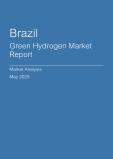
Overview of the Green Hydrogen Market in Brazil - Q1 2025
The first quarter of 2025 marked a period of accelerated growth and strategic developments in Brazil's green hydrogen sector. As the country positions itself as a global leader in this emerging industry, several key trends and initiatives have emerged. The integration of green hydrogen with renewable energy sources, strategic partnerships, and regulatory incentives are pivotal in shaping the market landscape. Brazil's commitment to leveraging its abundant renewable resources, such as wind and solar, continues to drive innovations and investments in green hydrogen technologies.
Expansion of Green Hydrogen Projects and Export Potential
Brazil has seen notable advancements in green hydrogen projects, exemplified by initiatives like the Solatio 3GW green hydrogen and ammonia project. This project highlights Brazil's strategic focus on becoming a major exporter of green hydrogen, supported by favorable tax exemptions that enhance project viability. The Port of Açu plays a crucial role in facilitating these exports, strengthening Brazil's position in the global green hydrogen supply chain. Strategic alliances with global entities further highlight Brazil's export potential, catering to the growing demand for clean energy solutions worldwide.
Synergies Between Green Hydrogen and Renewable Energy Sources
The synergy between green hydrogen and renewable energy sources, particularly wind and solar, is a significant driver of market growth in Brazil. Despite a temporary slowdown in wind power, the long-term outlook remains positive, fueled by the increasing demand from green hydrogen projects. The integration of renewable energy is essential for sustainable green hydrogen production, aligning with Brazil's environmental standards and decarbonization efforts. Strategic collaborations, such as those at the Port of Açu, underscore the importance of renewable energy in green hydrogen production processes.
Strategic Role of Ports and Industrial Hubs
Ports and industrial hubs, like the Port of Açu, are pivotal in Brazil's green hydrogen landscape. These locations serve as logistical nexuses for green hydrogen initiatives, facilitating exports and positioning Brazil as a competitive player in the global energy market. Strategic partnerships and land reservation agreements further bolster these hubs' roles, enabling the development of projects like the Solatio 3GW initiative, which benefits from substantial tax breaks.
Integration of Green Hydrogen in Mining and Metals
The mining and metals industry in Brazil is increasingly integrating green hydrogen to decarbonize supply chains. Partnerships, such as the one between Vale and GreenIron, exemplify the strategic use of green hydrogen to reduce carbon emissions in industrial processes. This integration is supported by Brazil's favorable position in green hydrogen production, attributed to abundant renewable resources and supportive government policies.
Demand from European Markets
European markets are showing significant interest in Brazilian green hydrogen, with companies like TotalEnergies exploring import opportunities. This demand is part of broader international decarbonization efforts, where Brazil's geographic advantages and renewable resources position it as a key supplier of green hydrogen to meet Europe's clean energy needs.
Technological Advancements in Hydrogen Production
Technological advancements in hydrogen production are reducing costs and increasing efficiency in Brazil. Innovations in electrolysis technologies are pivotal in optimizing green hydrogen production, allowing Brazil to leverage its solar and wind resources effectively. These advancements are expected to enhance Brazil's competitive standing in the international market, with potential increases in export volumes and new partnerships.
Impact of Regulations and Economic Factors
Favorable tax policies and economic factors significantly influence investment in Brazil's green hydrogen sector. Substantial tax breaks for projects like Solatio's 3GW initiative reduce capital and operational costs, making investments more attractive. However, economic factors such as exchange rate fluctuations and US tariffs on Brazilian steel and aluminum present challenges that require strategic navigation to sustain growth and competitiveness.
Questions Addressed in the Report
- What are the current trends and developments in Brazil's green hydrogen market?
- How are green hydrogen projects expanding in Brazil, and what is their export potential?
- What role do renewable energy sources play in the production of green hydrogen in Brazil?
- How are strategic partnerships and industrial hubs contributing to the green hydrogen supply chain?
- What technological advancements are impacting green hydrogen production in Brazil?
- How do regulatory policies and economic factors affect the green hydrogen market in Brazil?
- Who are the key players in Brazil's green hydrogen industry?
- What are the challenges and opportunities for investment in Brazil's green hydrogen sector?