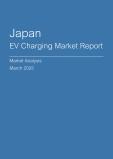
Executive Summary: Japan EV Charging Market Q4 2024
The Japan EV Charging Market in the fourth quarter of 2024 has been characterized by significant advancements and strategic initiatives aimed at expanding and enhancing the electric vehicle charging infrastructure. The focus has been on fast-charging technologies, managed charging solutions, and regulatory developments, all of which play critical roles in shaping the future of EV charging in Japan.
Advancements in EV Charging Technology and Infrastructure
In Q4 2024, Japan saw a continued expansion in fast-charging infrastructure, driven by technological advancements and strategic partnerships. Companies like Nissan and Mitsubishi Motors have been at the forefront, investing in cutting-edge charging technologies and forming alliances to enhance charging efficiency. These efforts align with Japan's commitment to reducing carbon emissions and advancing sustainable transportation solutions.
The integration of managed charging solutions is also gaining momentum, optimizing energy consumption and reducing grid load. These solutions, supported by collaborations with technology firms, are crucial for ensuring cost-effective and efficient charging options for consumers.
Government Policies and Regulatory Developments
Government policies and incentives remain pivotal in shaping the EV charging infrastructure in Japan. Significant subsidies for fast-charging station installations and tax incentives for EV infrastructure investments are driving the adoption of electric vehicles. Regulatory developments focused on interoperability and safety standards are further enhancing the user experience and reliability of the charging network.
Consumer Preferences and Market Trends
Consumer behavior in Japan is increasingly influencing the EV charging market. The demand for fast-charging stations is rising, particularly in urban areas where space constraints limit home charging options. Conversely, there is a notable preference for home charging solutions in suburban and rural regions. These trends are prompting charging service providers to diversify their offerings, balancing between fast-charging networks and home charging infrastructure.
Economic Factors and Investment Opportunities
Japan's economic growth in Q4 2024, with a GDP increase of 1.2%, presents favorable conditions for investments in EV charging infrastructure. However, challenges such as low consumer confidence and inflationary pressures remain. The stable interest rate environment supports low-cost financing for EV projects, encouraging both domestic and international investments.
Competitive Landscape and Strategic Collaborations
The competitive landscape in Japan's EV charging sector is shaped by strategic collaborations and innovative product offerings from key players like Panasonic, Mitsubishi Motors, and Tesla. These companies are leveraging partnerships to enhance their technological capabilities and expand their market presence, contributing to the growth of the EV charging infrastructure.
Questions the Report Answers
- What are the latest advancements in EV charging technology and infrastructure in Japan?
- How are government policies and incentives impacting the EV charging market?
- What are the emerging consumer preferences in the EV charging market?
- How are economic factors influencing investment opportunities in EV charging?
- What is the competitive landscape of the EV charging market in Japan?
- What strategic collaborations are shaping the future of EV charging infrastructure?
As Japan continues its transition to electric mobility, the focus on innovation, strategic partnerships, and supportive governmental policies will be crucial in driving the expansion and efficiency of the EV charging infrastructure. The market is poised for growth, with opportunities for further advancements in technology and increased consumer adoption.