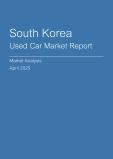
Executive Summary: South Korea Used Car Market in Q1 2025
In the first quarter of 2025, the South Korean used car market demonstrated notable growth, influenced by economic conditions, shifting consumer preferences, and regulatory changes. This period was marked by a significant increase in demand for Economy Cars and Budget Cars as consumers sought cost-effective alternatives amidst inflation and a depreciating won. Concurrently, the Luxury Used Cars segment remained robust, driven by affluent consumers' preference for high-quality Pre-Owned Vehicles that offer better value for money.
Impact of Economic Conditions on the Used Car Market
The economic landscape in South Korea during Q1 2025 was characterized by ongoing inflationary pressures and currency depreciation, which made new cars less accessible and increased the appeal of Used Cars. The depreciation of the won, coupled with U.S. automotive tariffs, led to higher import costs, impacting pricing strategies within the market. As a result, consumer behavior shifted towards more affordable and reliable options, bolstering the demand for Compact Used Cars and Certified Pre-Owned Cars.
Segment Highlights: Economy, Luxury, and Electric Vehicles
Demand for Economy Cars and Compact Used Cars surged as consumers prioritized affordability. Meanwhile, the Luxury Used Cars market showed resilience, with a stable demand for Pre-Owned Luxury Vehicles such as Mercedes-Benz and BMW, which are favored for their enduring appeal and robust resale values.
Additionally, the market for Used Electric Vehicles and Pre-Owned Hybrids experienced significant growth, supported by government incentives and an expanding charging infrastructure. Increased environmental awareness and technological advancements in battery technology further fueled interest in these sustainable automotive solutions.
Technological and Online Innovations
Technological advancements played a crucial role in enhancing the purchasing experience for Used Cars in South Korea. The integration of advanced features such as infotainment systems and driver-assistance technologies increased the attractiveness of Pre-Owned Vehicles. Moreover, online platforms like K Car and Encar revolutionized the market by providing consumers with greater transparency and convenience, facilitating informed purchasing decisions and broadening market access.
Regulatory and Political Influences
Government policies and environmental regulations significantly impacted the used car market, promoting the adoption of Used Electric Vehicles and low-emission options. Political uncertainty, particularly surrounding President Yoon Suk Yeol's impeachment, added layers of complexity, influencing consumer confidence and spending habits.
Competitive Landscape and Corporate Strategies
Key players such as Hyundai, Kia, BMW, and Mercedes-Benz adapted their strategies to navigate the challenges and opportunities within the South Korean used car market. Hyundai and Kia focused on expanding their domestic and international presence, while BMW and Mercedes-Benz emphasized technological innovations and sustainability to strengthen their market positions.
Questions Addressed by the Report
- What are the key trends influencing the Used Car South Korea market in Q1 2025?
- How are economic conditions affecting consumer preferences for Pre-Owned Vehicles?
- Which segments, such as Economy Cars and Luxury Used Cars, are experiencing the most growth?
- What role do technological advancements and online platforms play in the used car market?
- How are government incentives and environmental regulations shaping the market for Used Electric Vehicles?
- What strategies are leading automotive brands employing to maintain competitiveness in the used car sector?