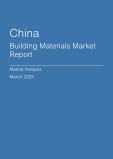
Executive Summary: Building Materials Market in China - Q4 2024
In the fourth quarter of 2024, the Building Materials China market has been characterized by significant trends and developments. These are primarily driven by economic policies, sustainability initiatives, and technological advancements. The focus on Innovative and Sustainable Materials has intensified as China moves towards its carbon neutrality goal by 2060.
Sustainable Trends in the Concrete and Cement Market
The Concrete and Cement Market in China has been influenced by the government's infrastructure spending and environmental regulations. Green cement is gaining prominence, driven by initiatives from major companies like China National Building Material Company and Anhui Conch Cement. These companies are investing in eco-friendly production methods, including the use of fly ash and slag, to reduce carbon emissions.
Dynamics in the Wood and Lumber Products Market
The Wood and Lumber Products Market faces challenges due to global supply chain disruptions. However, there is a growing emphasis on sustainable forestry practices. The Chinese government is promoting certified wood and sustainable logging to align with national carbon neutrality targets.
Metal Materials Market: Steel and Aluminum
The Metal Materials Market in China, focusing on steel and aluminum, experienced strong domestic demand due to infrastructure projects. Nevertheless, international trade policies, such as tariffs imposed by the EU, have impacted export volumes and pricing, pushing Chinese manufacturers to explore alternative markets.
Technological Advancements in Building Materials
Technological innovations are reshaping the Building Materials Market in China. The integration of IoT in materials is enhancing real-time monitoring capabilities, supporting smart city initiatives. Materials like glass fiber reinforced plastics are gaining traction due to their superior strength and lightweight properties.
Impact of Economic Policies
China's economic policies, including a 10 trillion yuan infrastructure debt package, have significantly boosted demand for building materials. Fiscal and monetary measures have lowered borrowing costs, encouraging investment in the sector. This has provided a stable environment for manufacturers despite global trade tensions.
Regulatory Environment and Sustainability
New environmental regulations are pushing the market towards sustainability. Companies are incentivized to adopt eco-friendly materials, which has led to increased R&D investments in sustainable technologies. Compliance with these regulations is crucial for maintaining competitiveness in the market.
Future Outlook and Strategic Implications
The future of the Building Materials Market in China appears optimistic, driven by sustained government support and a focus on sustainable development. Companies that embrace innovation and adapt to regulatory changes are poised to thrive. However, they must also navigate challenges such as fluctuating raw material prices and international trade dynamics.
Key Questions Addressed in the Report
- What are the emerging trends in the Building Materials Market in China for Q4 2024?
- How are sustainability initiatives impacting the Concrete and Cement Market?
- What challenges does the Wood and Lumber Products Market face due to global supply chain disruptions?
- How are international trade policies affecting the Metal Materials Market in China?
- What technological advancements are reshaping the Building Materials Market?
- How have economic policies impacted demand and investment in building materials?
- What regulatory changes are influencing sustainability in the market?
- What strategies should companies adopt to thrive in the evolving Building Materials Market?