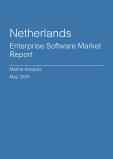
Executive Summary of the Enterprise Software Market in the Netherlands - Q1 2025
The enterprise software market in the Netherlands is experiencing significant growth driven by advancements in artificial intelligence (AI) and digital transformation, particularly in key sectors such as finance, logistics, and manufacturing. The first quarter of 2025 has highlighted several trends and developments that are shaping the landscape of enterprise software in the country.
Key Trends Driving Enterprise Software Adoption in the Netherlands
Digital Transformation in Finance and Logistics
The finance and logistics sectors are leading the charge in digital transformation, with a strong emphasis on AI-driven solutions. Financial institutions are increasingly adopting AI technologies for real-time fraud detection, personalized financial advice, and automated customer service. Meanwhile, the logistics sector is optimizing supply chain management through AI-driven route optimization tools and predictive analytics. These advancements are positioning the Netherlands as a leader in leveraging technology for industry-specific improvements.
Remote Work and Collaboration Software Demand
The prevalence of remote work in the Netherlands, with 83% of the workforce engaged in such arrangements, continues to drive demand for collaboration and communication tools. Platforms like Microsoft Teams, Slack, and Zoom are seeing increased adoption as businesses prioritize seamless virtual collaboration. This trend also underscores the importance of cybersecurity solutions in protecting remote work environments.
ERP and CRM Software in Manufacturing and Retail
Enterprise Resource Planning (ERP) systems are critical in optimizing manufacturing operations, helping companies streamline supply chain processes and improve data accuracy. Similarly, Customer Relationship Management (CRM) software is enhancing retail experiences by providing AI-driven customer insights and enabling personalized marketing strategies. These software solutions are essential in maintaining competitiveness and driving growth in their respective sectors.
Challenges and Opportunities in the Dutch Enterprise Software Sector
Impact of Economic Factors on Software Investment
Declining inflation rates and wage growth in the Netherlands are positively impacting consumer spending and business investments in enterprise software. As purchasing power increases, companies are more inclined to invest in digital transformation tools, including ERP and CRM systems, to enhance operational efficiency and customer engagement.
Regulatory Environment and Data Protection
Stringent data protection regulations, such as the GDPR, are influencing the demand for compliance-focused software solutions. Businesses are investing in data management platforms that offer encryption and access controls to ensure regulatory compliance and safeguard sensitive information.
Key Questions Addressed in the Report
- How is digital transformation impacting the adoption of enterprise software in key sectors such as finance and logistics?
- What is the role of remote work in driving demand for collaboration and cybersecurity software in the Netherlands?
- How are ERP and CRM systems transforming operations in manufacturing and retail sectors?
- What economic factors are influencing enterprise software investment in the Netherlands?
- How are data protection regulations affecting the enterprise software market?
- What strategic initiatives are leading software companies pursuing to strengthen their market position in the Netherlands?
Conclusion
The enterprise software market in the Netherlands is poised for sustained growth throughout 2025, underpinned by advancements in AI and digital transformation. The focus on ERP, CRM, and collaboration software solutions is driving innovation across key industries, supported by favorable economic conditions and government initiatives promoting digital adoption. As businesses navigate the evolving technological landscape, the demand for robust enterprise software solutions will continue to rise, ensuring the Netherlands remains at the forefront of digital innovation.