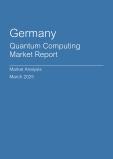
Executive Summary: Quantum Computing in Germany Q4 2024
The quantum computing market in Germany continues to show robust growth in Q4 2024, driven by strategic adoption across key sectors such as finance, manufacturing, and healthcare. Despite facing an economic contraction of 0.2%, the country remains a global leader in quantum innovation, supported by a strong technological ecosystem and government initiatives.
Key Market Segments Impacting Quantum Computing in Germany
Quantum Computing in Finance
The finance sector in Germany is increasingly leveraging quantum computing for portfolio optimization and risk management. The need for processing vast datasets efficiently has prompted German banks to integrate quantum algorithms with strategic tech partnerships. This sector shows a promising trajectory for enhancing computational capabilities.
Quantum Computing in Manufacturing
Manufacturing firms in Germany are utilizing quantum computing to optimize supply chains and accelerate material discovery. The automotive and aerospace industries benefit significantly from quantum simulations, which are crucial for developing advanced materials and maintaining competitive industrial advantages.
Quantum Computing in Healthcare
The healthcare industry is beginning to capitalize on quantum computing for drug discovery and genomics. German pharmaceutical companies are exploring quantum-based simulations to identify drug candidates and analyze genetic data more efficiently, marking a shift towards more innovative research methodologies.
Advancements in Quantum Computing Hardware and Software
Quantum Computing Hardware Developments
Germany is at the forefront of innovating qubit technologies and improving error correction methodologies. Companies are focusing on superconducting qubits to enhance coherence times and scalability, which are vital for the commercial deployment of quantum systems.
Quantum Computing Software and Algorithmic Progress
Significant strides are being made in quantum software, with German contributions to open-source projects like Qiskit. These advancements facilitate the development of industry-specific applications and are crucial for unlocking quantum hardware's potential.
Growth in Quantum Computing Services and Applications
The expansion of cloud-based quantum services is democratizing access to quantum computing in Germany, allowing businesses to explore advanced computational solutions. German firms are increasingly offering consulting services to help integrate quantum computing into operations, particularly in logistics and pharmaceuticals.
Research and Development Initiatives in Quantum Computing
Germany's commitment to quantum computing research and development is evidenced by government-funded projects and strategic international collaborations. The focus is on enhancing quantum processor capabilities and exploring novel qubit architectures, ensuring Germany's leadership in this transformative field.
Challenges and Barriers to Quantum Computing Adoption
Despite the advancements, high costs and skills shortages remain significant barriers. Strategic initiatives are needed to address these challenges and sustain growth in the quantum computing sector, emphasizing the importance of government support and educational reforms.
Questions Addressed in the Report
- What are the key drivers of quantum computing adoption in Germany?
- How are different sectors leveraging quantum computing for innovation?
- What advancements are being made in quantum computing hardware and software?
- What are the main challenges and barriers to adoption in the German market?
- How is Germany’s economic context influencing quantum computing investments?
- What strategic initiatives are in place to foster research and development?
- How are geopolitical factors impacting the quantum computing market in Germany?