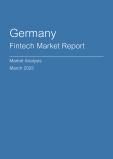
Executive Summary: Fintech Germany Market Overview Q4 2024
The fourth quarter of 2024 marks a pivotal moment for the Fintech Germany sector, characterized by significant developments across various market segments. This period has seen pronounced growth in digital payments, blockchain innovations, and the rise of neobanks and digital banking platforms. These advancements are reshaping the financial landscape, driven by consumer demand for more efficient, secure, and user-friendly financial solutions.
Key Developments in Digital Payments and Mobile Banking
Digital payments in Germany have expanded significantly, fueled by consumer preferences for cashless transactions and the widespread adoption of smartphones. Leading fintech companies such as Klarna and N26 are at the forefront of this transformation, introducing seamless payment solutions that enhance convenience and security. As Germany enters 2025, digital payments are expected to maintain their upward trajectory, supported by continuous innovation and a favorable regulatory environment.
Blockchain Innovations Beyond Cryptocurrency
In Q4 2024, blockchain technology in Germany has progressed beyond its initial use in cryptocurrencies, playing an integral role in enhancing the security and transparency of financial transactions. Companies like Bitbond and Commerzbank are pioneering the integration of blockchain into traditional financial systems, offering faster and more cost-effective solutions for cross-border payments and supply chain finance.
The Rise of Neobanks and Digital Banking Platforms
Neobanks in Germany, such as N26, are challenging traditional banking models by providing seamless, digital-first banking experiences. These platforms cater to a tech-savvy population, offering cost-effective services free from the fees associated with traditional banks. The rise of digital banking is particularly evident in urban centers, where adoption rates are highest among younger demographics.
Growth in Online Lending and Peer-to-Peer Platforms
The online and peer-to-peer lending sector in Germany continues to grow robustly, driven by demand for accessible borrowing solutions. Platforms like Auxmoney are expanding their services to cater to a broader range of borrowers. Regulatory developments are crucial in shaping this sector, with a focus on transparency and consumer protection.
Technological Advances in Insurtech
Insurtech in Germany is undergoing transformation through advancements in data analytics and artificial intelligence. These technologies are revolutionizing underwriting and claims management processes, offering more personalized insurance products and enhancing customer satisfaction. Startups like Wefox and Getsafe are leading this charge, providing digital-first insurance solutions.
Consumer Adoption and Business Integration of Fintech Solutions
Consumer adoption of fintech solutions in Germany continues to rise, particularly among younger demographics. Digital payment systems, personal finance apps, and online banking platforms are becoming integral to everyday financial management. Businesses are also leveraging fintech to enhance operational efficiencies in trade finance, payroll, and expense management.
Regulatory and Economic Context
Germany's fintech sector is navigating a complex regulatory landscape, with new regulations focusing on data protection and digital identity initiatives. The European Central Bank's monetary policies, including interest rate cuts, have significant implications for lending activity and fintech opportunities. Additionally, Germany's economic context, marked by GDP contraction and inflation trends, presents both challenges and opportunities for fintech growth.
Questions This Report Answers
- What are the key trends driving growth in the Fintech Germany market?
- How are digital payments and mobile banking transforming the financial landscape?
- What role does blockchain technology play in the fintech ecosystem?
- How are neobanks and digital banking platforms impacting traditional banking models?
- What advancements are occurring in insurtech, and how are they affecting the market?
- How are regulatory changes influencing fintech development in Germany?
- What are the implications of Germany's economic environment on fintech companies?
- How are consumer and business adoption of fintech solutions evolving?