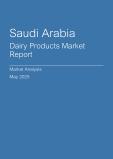
Executive Summary: Q1 2025 Dairy Products Market in Saudi Arabia
The first quarter of 2025 marks a period of significant growth and transformation for the dairy products market in Saudi Arabia. Driven by health-conscious consumer trends, government initiatives, and technological advancements, the market is poised for continued expansion. The Saudi Vision 2030 initiative plays a crucial role in fostering local production, enhancing food security, and reducing dependency on imports. This executive summary explores key market segments, competitive dynamics, and strategic initiatives that shape the landscape of dairy products in Saudi Arabia.
Key Market Segments and Growth Drivers
Dairy Products Market: The Saudi Arabian dairy products market witnessed robust growth, particularly in fresh dairy products, which are projected to reach 1.41 million metric tons in 2025. This growth is largely driven by increasing consumer awareness of health benefits and a preference for fresh, nutritious options over processed alternatives.
Milk and Yogurt Market: The milk market and yogurt segments continue to show strong demand, fueled by consumer interest in probiotics and low-fat, fortified milk options. The focus on health benefits aligns with broader global dietary trends, supporting continued growth in these segments.
Cheese and Butter Market: The cheese market is experiencing rising consumption, driven by a shift towards Western dietary preferences and the popularity of cheese-enriched dishes. Meanwhile, the butter market faces challenges due to fluctuating import costs, but local production efforts help stabilize supply.
Lactose-Free and Organic Dairy Market: The lactose-free and organic dairy market segments are expanding rapidly, driven by increased awareness of lactose intolerance and the health benefits of organic products. Key players like Almarai are capitalizing on this demand by expanding their product lines.
Technological Advancements and Competitive Landscape
Technological innovations are transforming the dairy production landscape in Saudi Arabia, with companies investing in advanced machinery and digital solutions to enhance efficiency and product quality. This aligns with the Vision 2030 goals of modernizing agricultural practices and boosting local production capabilities.
In terms of competition, Almarai remains a dominant player in the Saudi dairy market, demonstrating strong financial and operational performance. Other major competitors like Nestlé, Danone, Savola, and Arla Foods are also actively engaging in strategic initiatives to maintain their market positions and adapt to changing consumer preferences.
Challenges and Strategic Opportunities
The market faces challenges such as inflationary pressures, which impact consumer spending habits, and exchange rate fluctuations that increase import costs. However, opportunities abound in expanding into high-growth segments like organic and lactose-free dairy products, enhancing local production capabilities, and leveraging international trade agreements to boost competitiveness.
Questions the Report Answers
- What are the key drivers of growth in the dairy products market in Saudi Arabia?
- How are consumer preferences evolving in the milk, cheese, yogurt, and butter markets?
- What impact do technological advancements have on dairy production efficiency?
- Who are the major players in the Saudi dairy market, and what are their competitive strategies?
- What challenges does the dairy industry face, and what opportunities exist for growth?
- How do regulatory changes and international trade agreements influence the market dynamics?
Overall, the dairy products market in Saudi Arabia is on a trajectory of growth and innovation, driven by consumer trends, government support, and strategic industry initiatives. As the market continues to evolve, stakeholders must navigate challenges while seizing opportunities for expansion and technological advancement.