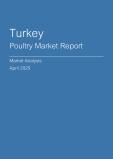
Executive Summary: Turkey Poultry Market Report - Q1 2025
The first quarter of 2025 presented a dynamic landscape for Turkey's poultry market, characterized by economic stabilization, evolving consumption patterns, and strategic advancements in production and sustainability practices. Despite challenges from currency fluctuations and geopolitical tensions, the sector demonstrated resilience and adaptability, positioning itself for potential growth in the upcoming quarters.
Poultry Market Overview and Economic Influences
In Q1 2025, the Turkish poultry industry faced a complex economic environment. The stabilization of inflation from 75% in mid-2023 to 39.05% by February 2025 contributed positively to consumer purchasing power and market stability. However, the volatility of the Turkish Lira, hovering around 36 against the US Dollar, continued to impact import costs, particularly for feed and production inputs. These economic conditions necessitated strategic adjustments in pricing and cost management across the poultry industry.
Poultry Production and Consumption Trends
Despite economic pressures, poultry production in Turkey remained robust. The industry leveraged technological advancements and sustainable practices to mitigate rising costs. Innovations such as automation and AI-driven monitoring systems were widely adopted, enhancing efficiency and reducing operational expenses. On the consumption front, a growing preference for poultry products was observed, driven by its affordability and nutritional value. This demand resilience was supported by an increase in consumer confidence, spurred by economic stabilization efforts.
Poultry Trade and Market Dynamics
Turkey's poultry trade dynamics in Q1 2025 were influenced by both opportunities and challenges. The sector capitalized on export opportunities in Africa and Europe, where demand for Turkish poultry remained strong. However, geopolitical tensions and trade deficits posed risks to maintaining competitive export pricing. The depreciation of the Lira increased production costs, necessitating strategic market diversification and government support to sustain export growth.
Poultry Industry Challenges and Regulatory Landscape
The poultry industry in Turkey navigated several challenges in Q1 2025, including regulatory changes that increased production costs. New compliance standards aimed at improving food safety and quality assurance affected operational processes. While these regulations positioned Turkey's poultry products favorably in international markets, they also imposed financial burdens, particularly on smaller producers. The industry's ability to adapt to these regulatory changes will be crucial for sustaining growth.
Poultry Technology, Innovation, and Sustainability
Significant advancements in technology and sustainability marked the Turkish poultry sector's strategic initiatives in Q1 2025. Automation and digital technologies were increasingly integrated to enhance productivity and reduce costs. Sustainability practices, such as the adoption of renewable energy and advanced waste management systems, aligned with global trends and consumer expectations for environmentally responsible production. These innovations are expected to enhance the sector's resilience and competitiveness moving forward.
Key Questions Addressed in the Report
- How has economic stabilization impacted the poultry market in Turkey?
- What are the current trends in poultry production and consumption in Turkey?
- How are geopolitical and economic factors affecting poultry trade dynamics?
- What regulatory changes are influencing the poultry industry, and how are producers adapting?
- What role do technology and sustainability play in the future of Turkey's poultry market?