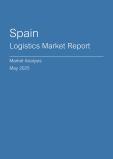
Executive Summary: Spain Logistics Market in Q1 2025
The logistics sector in Spain is experiencing a dynamic period in Q1 2025, characterized by significant growth opportunities and challenges across various segments. This report provides an in-depth analysis of the current trends and strategic shifts impacting the logistics landscape, focusing on key areas such as air transportation, e-commerce logistics, maritime activities, and sustainable practices. The emphasis is on the integration of technology and sustainability to enhance operational efficiency and meet evolving consumer demands.
Air Transportation and E-commerce Logistics Surge
The air transportation sector in Spain is witnessing robust growth, propelled by increased passenger numbers and freight transport. This growth is largely attributed to the resurgence in tourism and business travel, alongside strategic airline expansions and new routes. The sector's expansion not only supports increased cargo volumes but also necessitates advancements in logistics technology to manage cross-border goods movement efficiently.
Simultaneously, the e-commerce logistics segment is thriving due to a consumer shift towards online retail. The demand for efficient logistics solutions, particularly last-mile delivery, is increasing. Companies are adopting digital platforms and sustainable practices, such as electric vehicles for deliveries, to meet consumer expectations for speed and eco-friendly operations.
Maritime Logistics and Rail Infrastructure Enhancements
Maritime logistics in Spain is benefiting from enhanced port activities and infrastructure upgrades, with a strong focus on sustainability. Key ports are integrating technological advancements to streamline operations and reduce turnaround times. Additionally, significant investments in rail infrastructure are being made to improve logistics efficiency and connectivity, offering a more sustainable alternative to road transportation.
Innovation and Sustainability in Logistics
Spain's logistics sector is embracing automation and digitalization, with the adoption of AI, robotics, and IoT technologies to optimize operations. This transformation is crucial for managing complex supply chains and enhancing service quality. Sustainable logistics practices, such as carbon-neutral warehousing and green transportation solutions, are being prioritized to align with environmental goals and consumer demand for eco-friendly services.
Regulatory Impact and Economic Context
New regulatory changes focusing on emission reductions are reshaping logistics operations in Spain, requiring fleet upgrades and compliance with stringent standards. The economic context, marked by a significant GDP growth forecast, supports increased trade volumes and logistics demand. However, challenges such as inflation and shifts in trade policies necessitate strategic adjustments in logistics operations to maintain competitiveness.
Key Questions Addressed in the Report
- How is the growth of air transportation impacting Spain's logistics sector?
- What are the emerging trends in e-commerce logistics and last-mile delivery in Spain?
- How are maritime logistics and port activities evolving in Spain?
- What innovations in logistics technology are being adopted in Spain?
- How are regulatory changes affecting logistics operations and sustainability efforts?
- What are the strategic implications of economic growth for the logistics sector in Spain?
Conclusion
The logistics market in Spain is poised for continued growth in 2025, driven by advancements in transportation technologies, e-commerce expansion, and a strategic focus on sustainability. Companies that effectively integrate innovative logistics solutions and adapt to regulatory changes will be well-positioned to capitalize on emerging opportunities and maintain a competitive edge in the market.