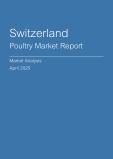
Executive Summary: Poultry Market in Switzerland Q1 2025
The Switzerland Poultry Market in Q1 2025 is characterized by significant growth and dynamic challenges, driven by technological advancements, evolving consumer preferences, and economic conditions. As Switzerland continues to establish itself as a leader in sustainable and innovative poultry production, several key trends and factors have emerged that shape the market landscape for broiler chickens, egg production, and organic poultry.
Current Market Dynamics and Trends
In Q1 2025, the poultry market in Switzerland showed a robust expansion trajectory. Poultry production continued to rise due to advancements in farming techniques and increased consumer demand, particularly for broiler chickens and organic poultry. The adoption of modern farming technologies has enhanced productivity and sustainability, meeting the Swiss consumers' growing preference for healthier protein sources. The market size for poultry has remained stable, reflecting consistent demand.
Economic Influences on Poultry Market
The economic context of Switzerland in early 2025 played a crucial role in shaping the poultry market. The Swiss National Bank's interest rate cut to 0.25% reduced borrowing costs, facilitating capital investments in poultry production and supply chain management. Despite a rise in unemployment to 3.0% in January, the demand for poultry as an affordable protein source remained resilient. Low inflation rates further stabilized input costs, supporting competitive pricing strategies within the market.
Consumer Preferences and Market Segmentation
Consumer preferences in Switzerland are increasingly leaning towards sustainable and organically produced poultry, including free-range and organic chicken. The demand for these products is driven by health consciousness and ethical considerations, with Swiss consumers willing to pay a premium for quality and sustainability. As a result, producers are expanding their product lines to include more organic and free-range options to meet this demand.
Challenges and Opportunities in Poultry Production
While the poultry market in Switzerland faces challenges such as global trade tensions and supply chain disruptions, there are significant opportunities for growth. The broiler chicken segment continues to expand, supported by innovations in breeding and feed technology. Additionally, the egg market remains robust, with a strong emphasis on organic and free-range production practices. Strategic investments in technology and sustainability are essential for maintaining competitiveness and navigating potential market disruptions.
Strategic Market Insights
Leading companies in the Swiss poultry market, such as Bell Food Group, Coop Group, and Cargill, are capitalizing on market opportunities through strategic investments and innovation. These companies are focusing on enhancing operational efficiencies, expanding product offerings, and forming strategic alliances to bolster their market positions. The emphasis on sustainability and digital transformation is a common thread among market leaders, aligning with global consumer trends.
Key Questions Addressed in the Report
- What are the current trends in the poultry market in Switzerland, and how are they expected to evolve throughout 2025?
- How do economic factors such as interest rates and unemployment influence the demand and pricing of poultry products?
- What are the consumer preferences for poultry products in Switzerland, particularly concerning organic and free-range options?
- What challenges and opportunities exist for broiler chicken and egg production in the Swiss market?
- How are leading companies in the poultry industry adapting to market dynamics and consumer trends?
Overall, the Swiss poultry market in Q1 2025 reflects a dynamic interplay of economic conditions, technological advancements, and evolving consumer preferences. As the market continues to grow, strategic focus on sustainability, innovation, and consumer engagement will be key to maintaining competitiveness and achieving long-term success.