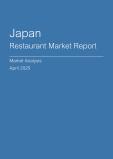
Executive Summary: Japan Restaurant Market Overview Q1 2025
In the first quarter of 2025, the restaurant market in Japan exhibited dynamic growth patterns and strategic shifts across various segments. The fast-casual dining sector emerged as a significant driver of market expansion, reflecting evolving consumer preferences for convenience and quality. Technological advancements, sustainability initiatives, and demographic changes played pivotal roles in shaping the landscape of Japan's restaurant industry.
Fast-Casual Dining: A Leading Market Segment in Q1 2025
The fast-casual dining segment in Japan saw remarkable growth in Q1 2025, bolstered by consumer demand for quick, healthy, and customizable meals. This segment, characterized by efficient service and high-quality offerings, attracted urban consumers, particularly in bustling cities like Tokyo and Osaka. The integration of technology, such as mobile ordering and contactless payments, further enhanced the popularity of fast-casual establishments.
Technological Advancements in Japan's Restaurant Industry
Technology played a crucial role in transforming Japan's restaurant sector in Q1 2025. The adoption of service robots and AI-driven solutions addressed labor shortages while enhancing customer experiences. Innovations like digital ordering systems streamlined operations, reducing wait times and improving service efficiency. These advancements positioned restaurants to better meet consumer expectations in a competitive market.
Sustainability and Health-Conscious Dining Trends
In response to growing consumer awareness, sustainability and health-conscious dining gained momentum in Q1 2025. Restaurants increasingly prioritized locally sourced ingredients and eco-friendly practices. The rise of plant-based and low-calorie menu options catered to diverse dietary preferences, aligning with the global movement towards sustainable and responsible eating.
Casual and Family Dining: Steady Performance Amidst Economic Factors
The casual dining and family restaurant segment maintained stable performance, driven by economic factors and consumer trends favoring family-friendly experiences. Despite facing competition from fast-casual chains, these establishments adapted through digital solutions and menu customization to enhance customer service and retain market share.
Fine Dining and Luxury Experiences: Innovations and Adaptability
Japan's fine dining sector demonstrated resilience by embracing innovations such as augmented reality (AR) and virtual reality (VR) to create immersive dining experiences. The focus on personalized service and sustainability initiatives helped luxury dining establishments maintain their appeal amidst varying economic conditions.
Cafés and Coffee Shops: Specialty Coffee and Sustainable Practices
In Q1 2025, cafés and coffee shops in Japan capitalized on the growing consumer preference for specialty coffee and sustainable practices. Chains like Starbucks introduced biodegradable products and location-based pricing, reflecting their commitment to environmental responsibility and revenue optimization.
Impact of Economic Context on Japan's Restaurant Industry
Japan's GDP growth and stable economic conditions supported increased consumer spending, benefiting the restaurant sector. However, inflationary pressures necessitated strategic pricing adjustments. Wage growth contributed to consumer spending power, yet real wages faced challenges due to inflation, influencing dining behaviors.
Competitive Landscape and Strategic Initiatives
Key players in Japan's restaurant market, including McDonald's, KFC, Starbucks, and Zensho Holdings, navigated distinct challenges and opportunities. Strategic initiatives such as menu innovation, technological integration, and market expansion were critical in maintaining competitiveness in a dynamic industry.
Key Questions Addressed in This Report
- What are the major growth drivers in Japan's fast-casual dining segment for Q1 2025?
- How is technology reshaping the operational landscape of Japan's restaurants?
- What sustainability initiatives are prominent in Japan's restaurant industry?
- How are economic factors influencing consumer dining behaviors in Japan?
- What strategic adaptations are restaurant chains implementing to remain competitive?