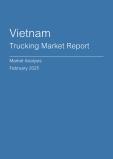
Executive Summary: Trucking in Vietnam - Q4 2024
In the fourth quarter of 2024, the trucking industry in Vietnam is experiencing substantial growth and transformation. This period is marked by significant developments across various market segments, including long-haul and short-haul trucking, refrigerated trucking, and intermodal transport. As Vietnam continues to expand its logistics capabilities, driven by robust economic growth and increasing trade volumes, the trucking sector is poised to play a critical role in supporting the country's logistics infrastructure.
Key Market Segments Impacting Vietnam's Trucking Industry
Long-Haul and Short-Haul Trucking Dynamics
The dynamics between long-haul and short-haul trucking are pivotal in Vietnam's logistics landscape. Short-haul trucking, primarily concentrated in urban areas like Ho Chi Minh City and Hanoi, is experiencing robust growth due to the e-commerce boom and the demand for efficient last-mile delivery solutions. Conversely, long-haul trucking is benefiting from infrastructural developments and regional trade agreements, which are enhancing interstate transportation efficiency and supporting cross-border trade activities.
Refrigerated and Specialized Trucking Demand
Refrigerated trucking, or reefer trucks, is seeing increased demand, driven by Vietnam's agricultural export boom and high-value industries such as biotechnology and electronics. The need for temperature-controlled freight solutions is critical for maintaining the integrity of perishable goods. Additionally, the demand for specialized trucking services, including flatbed and tank trucking, is rising as industries require precise logistics solutions for oversize and liquid bulk transport.
Intermodal and Container Trucking
Intermodal trucking is becoming increasingly important in Vietnam's logistics sector, facilitating the efficient movement of containerized goods. The integration of road and rail networks, highlighted by the high-speed railway project, is expected to enhance intermodal transport capabilities, reducing transit times and improving supply chain reliability. This development underpins the importance of container trucking in managing Vietnam's growing trade volumes.
Challenges and Strategic Developments in Vietnam's Trucking Sector
Despite the positive growth trajectory, Vietnam's trucking industry faces challenges such as inflationary pressures, which are increasing operational costs, particularly in fuel and labor. To mitigate these challenges, companies are investing in fuel-efficient technologies, alternative energy sources, and technological innovations like AI and blockchain to enhance operational efficiency and reduce costs.
Strategic government policies and infrastructure investments, including the proposed reduction in VAT and the high-speed railway project, are crucial in shaping the future of Vietnam's trucking sector. These initiatives are expected to enhance logistics efficiency and support the industry's growth by reducing operational costs and improving infrastructure.
Questions Addressed by the Report
- What are the key growth drivers for the trucking industry in Vietnam in Q4 2024?
- How are long-haul and short-haul trucking segments evolving in Vietnam?
- What role does refrigerated trucking play in Vietnam's logistics market?
- How is intermodal trucking enhancing Vietnam's trade logistics?
- What challenges are impacting Vietnam's trucking industry, and how are companies adapting?
- What strategic developments are shaping the competitive landscape of Vietnam's trucking sector?
- How are government policies and infrastructure investments influencing the trucking market in Vietnam?
This report provides a comprehensive analysis of Vietnam's trucking industry in Q4 2024, offering insights into market dynamics, challenges, and strategic developments. By understanding these elements, stakeholders can better navigate the complexities of Vietnam's logistics landscape and capitalize on emerging opportunities in the trucking sector.