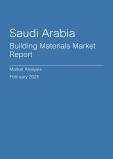
Executive Summary: Saudi Arabia Building Materials Market Q4 2024
In the fourth quarter of 2024, the building materials market in Saudi Arabia experienced significant developments driven by sustainability initiatives, technological advancements, and strategic investments aligning with the Kingdom's Vision 2030. The building materials sector is crucial for the ongoing mega-projects such as NEOM and the Red Sea Project, which emphasize the use of sustainable and innovative materials.
Sustainable Practices and Green Building Initiatives
Throughout Q4 2024, there was a strong focus on implementing sustainable practices within the building materials industry in Saudi Arabia. Green building materials and practices gained momentum, supported by the government's regulatory incentives and consumer demand. Collaborations, such as the partnership between CarbonCure Technologies, Abdullah Abdin, and Gulf Cryo, have been instrumental in advancing carbon capture and utilization technologies in concrete production.
Technological Advancements in Building Materials
Technological innovations continued to shape the building materials sector, with companies adopting advanced manufacturing techniques and digital tools like Building Information Modeling (BIM) to improve efficiency and reduce costs. These advancements are particularly significant for large-scale projects, ensuring precision and sustainability in construction processes.
Concrete and Cement Market Developments
The concrete and cement industry in Saudi Arabia demonstrated robust growth, driven by infrastructure projects under Vision 2030. The sector's focus on sustainability is evident in the adoption of lower-carbon concrete alternatives, supporting the Kingdom's environmental objectives and catering to the demand from ongoing mega-projects.
Steel and Metal Sector: Investments and Challenges
In Q4 2024, the steel and metal market in Saudi Arabia witnessed significant strategic investments, with agreements totaling over $9.3 billion. These investments aim to enhance the Kingdom's industrial capabilities, though challenges such as fluctuating raw material prices and supply chain issues remain prevalent.
Prefabricated Buildings: Growth in Demand
The demand for prefabricated buildings increased as they offer efficiency and cost-effectiveness, crucial for large-scale developments. Import trends indicate a steady growth trajectory, with local production capabilities being enhanced to meet rising demand.
Impact of Inflation on Building Materials Prices
Inflationary pressures, particularly in housing and utilities, have impacted the building materials sector by increasing production and transportation costs. Despite these challenges, the demand for building materials remains strong due to ongoing infrastructure projects.
Vision 2030 and Economic Diversification
The Vision 2030 initiative continues to be a driving force behind the demand for building materials in Saudi Arabia. The government's commitment to infrastructure development and economic diversification is expected to sustain market growth, even amidst fiscal challenges such as declining foreign direct investment (FDI).
Emergence of Innovative Building Material Technologies
Emerging technologies focusing on energy efficiency and sustainability are gaining traction within the building materials industry. The adoption of digital platforms for procurement is streamlining supply chains and enhancing market competitiveness.
Questions the Report Answers:
- What are the current trends in the building materials market in Saudi Arabia?
- How are sustainable practices influencing the concrete and cement industry?
- What technological advancements are impacting the building materials sector?
- How is inflation affecting building materials prices and demand?
- What role does Vision 2030 play in shaping the building materials market?
- What are the challenges and opportunities in the steel and metal sectors?
- How is the demand for prefabricated buildings evolving in Saudi Arabia?
- What are the key innovations in building material technologies?