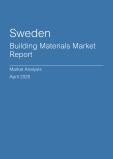
Sweden's Building Materials Market Q1 2025: Key Insights and Trends
In the first quarter of 2025, the Building Materials Sweden market is witnessing significant developments across various segments, driven by sustainability initiatives, economic factors, and evolving consumer preferences. The industry's landscape is shaped by advancements in green technologies, government policies, and strategic corporate maneuvers to align with environmental goals and market demands.
Sustainability and Green Innovations in Sweden's Building Materials Industry
Sweden continues to lead in sustainability with substantial progress in eco-friendly building materials. The rise of 'green steel' initiatives, notably the HYBRIT project by SSAB, LKAB, and Vattenfall, aims to revolutionize steel production by replacing coal with fossil-free electricity and hydrogen. This innovation could significantly cut Sweden's carbon emissions. Similarly, GreenIron's advancements in sustainable metal production are noteworthy, supported by ABB's automation solutions.
Economic Factors Influencing the Building Materials Market in Sweden
The Riksbank's decision to maintain the interest rate at 2.25% has provided a stable borrowing environment for the construction sector, despite inflationary pressures. The Swedish government has introduced a 5.8 billion kronor stimulus to support the construction sector, countering the high unemployment rates and stimulating demand for building materials.
Concrete and Cement Market Dynamics
The concrete and cement industry in Sweden is buoyed by governmental infrastructure projects and private construction initiatives. The demand is particularly strong in urban areas like Stockholm and Gothenburg, driven by residential and commercial developments. Key players like Cementa AB are focusing on sustainable technologies to meet these demands while complying with stringent environmental regulations.
Wood and Timber Industry Developments
The wood and timber market in Sweden is experiencing a surge in prices and demand, particularly for engineered wood products like cross-laminated timber (CLT). These materials are favored for their sustainability and structural efficiency, aligning with Sweden's commitment to eco-friendly construction practices.
Steel and Metal Market Insights
The introduction of fossil-free steel production technologies is transforming the steel and metal industry in Sweden. The HYBRIT initiative is a significant milestone, potentially reducing Sweden's carbon emissions by up to 10%. This shift towards sustainable production is a crucial factor in maintaining the country's leadership in the global metals market.
Regulatory and Environmental Considerations
New environmental regulations are reshaping the building materials sector, with stricter emission standards and sustainability mandates. These regulations encourage the adoption of cleaner production technologies and the use of recycled materials, propelling the market towards greener solutions.
Technological Advancements and Circular Economy Practices
Technological innovations, such as GreenIron's materials reduction technology, are driving efficiency and sustainability in Sweden's building materials industry. The integration of circular economy practices is also gaining traction, focusing on recycling and reusing materials to minimize environmental impact.
Key Questions Addressed in the Report
- What are the latest trends and innovations in Sweden's building materials market?
- How are economic factors like interest rates and government spending influencing the industry?
- What are the dynamics and growth drivers in the concrete and cement market?
- How is the wood and timber industry evolving, and what factors are driving demand?
- What technological advancements are impacting the steel and metal market?
- How are new regulations affecting the building materials sector?
- What role does the circular economy play in the industry's future?