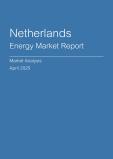
Executive Summary of the Netherlands Energy Market in Q1 2025
The first quarter of 2025 has presented a dynamic landscape for the Netherlands energy market, characterized by critical shifts and strategic initiatives across various sectors. This period saw significant developments in renewable energy, fossil fuel markets, and advancements in energy storage and smart grid technologies. The Netherlands is navigating these changes with a keen focus on sustainability, innovation, and aligning with European Union directives.
Renewable Energy Surge and Market Dynamics
The Netherlands has experienced a substantial increase in renewable energy production, particularly in solar energy, which surpassed coal for the first time in Q1 2025. This surge has contributed to over 50% of the nation's electricity being sourced from renewables. However, this rapid growth has also led to instances of negative electricity pricing due to oversupply during peak solar generation periods.
Investments in energy storage, such as the deployment of the Tesla Megapack in Rotterdam, are critical in addressing the challenges posed by this renewable surge. These storage solutions are essential for managing surplus energy and enhancing grid reliability, which are vital for integrating renewable power into the national grid efficiently.
Challenges in Fossil Fuel Markets
The Dutch gas market is undergoing significant changes due to geopolitical tensions and regulatory pressures. The cessation of Russian gas imports has shifted the focus towards liquefied natural gas (LNG) sources, driving up competition and prices. Despite these challenges, the Netherlands remains committed to expanding its LNG infrastructure and exploring alternative energy sources to ensure energy stability.
Nuclear Energy Developments
Nuclear energy remains a strategic component of the Netherlands' energy mix, with ongoing plans to expand capacity by constructing additional reactors by 2035. However, uncertainties have arisen due to the withdrawal of key international partners, which may impact the timeline and execution of these plans.
Energy Storage and Smart Grid Innovations
Energy storage and smart grid technologies are pivotal in the Netherlands' energy strategy. The integration of artificial intelligence in smart grids is enhancing efficiency and sustainability in energy distribution. These technologies are being leveraged to improve load balancing, demand forecasting, and mitigate grid congestion, supporting the seamless integration of renewable energy sources.
Regulatory and Policy Impacts
EU and national policies are significantly influencing the energy market in the Netherlands. The EU's mandate for a 90% gas storage fill rate by November has created additional pressures, while directives promoting renewable energy adoption have accelerated infrastructure investments. National policies continue to support renewable energy projects and grid enhancements, aligning with broader sustainability goals.
Key Questions Addressed in the Report
- How is the transition from Russian gas to LNG impacting the Dutch energy market?
- What are the implications of the surge in solar power generation for electricity pricing?
- How are innovations in energy storage and smart grid technologies being implemented in the Netherlands?
- What challenges does the nuclear energy sector face in expanding its capacity?
- How are EU regulations influencing the energy market dynamics in the Netherlands?
- What role do consumer behavior and energy efficiency play in shaping the energy market?
- How is the Netherlands addressing labor shortages in the energy sector?
- What are the strategic initiatives being pursued by key players in the Dutch energy market?