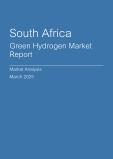
Executive Summary: Green Hydrogen Market in South Africa - Q4 2024
The fourth quarter of 2024 marks a pivotal period for the Green Hydrogen sector in South Africa, as the country continues to establish itself as a global leader in renewable energy solutions. This executive summary highlights the strategic initiatives, key market players, and challenges shaping the industry during this quarter.
Strategic Initiatives and Market Dynamics
South Africa is leveraging its abundant renewable energy resources to expand its Green Hydrogen production capacity. The government has prioritized investments in renewable infrastructure, focusing on solar and wind energy to power electrolysis processes essential for Green Hydrogen production. Key partnerships, particularly with Japan, are enhancing technological exchange and market access, positioning South Africa as a competitive player in the global Green Hydrogen market.
Market Drivers and Challenges
The Green Hydrogen market in South Africa is driven by the global transition towards cleaner energy solutions and the strategic restructuring of the energy market. The Electricity Regulation Amendment Act encourages private sector participation, fostering innovation in Green Hydrogen technologies. However, the industry faces challenges such as infrastructure constraints and the high costs of production, which are compounded by the implications of the national carbon tax affecting electricity costs.
Technological Advancements and Infrastructure Needs
Technological innovations in electrolysis and the integration of renewable energy sources are critical for the growth of the Green Hydrogen sector. Companies like Sasol and Anglo American are leading research and development efforts to improve production efficiency and reduce costs. Significant investments are needed in infrastructure, including storage and transportation systems, to support the scalable deployment of Green Hydrogen.
Applications and Utilization of Green Hydrogen
Green Hydrogen's applications in South Africa span across various industries, including metallurgy, chemicals, and transportation. The adoption of hydrogen fuel cells in heavy-duty vehicles and public transport is gaining traction, aligning with global decarbonization trends. Industrial sectors are increasingly utilizing Green Hydrogen to reduce carbon emissions, contributing to South Africa's low-carbon economy goals.
Competitive Landscape and Key Market Players
The competitive landscape of the South African Green Hydrogen market is shaped by major players such as Sasol Limited, Air Liquide S.A., Linde plc, Engie SA, and Siemens Energy AG. These companies are actively engaged in strategic partnerships and technological advancements to enhance their market positions. However, they face challenges from global competition and regulatory dynamics that influence market operations.
Policy and Regulation Impact
Government policies and regulatory frameworks play a crucial role in the Green Hydrogen sector's development. The South African government provides incentives and support to attract investment and foster innovation within the industry. The alignment of Broad-Based Black Economic Empowerment (B-BBEE) with the Green Hydrogen market ensures inclusive growth and enhances the sector's appeal to international investors focused on sustainability.
Questions Addressed by the Report
- What are the current strategic initiatives driving the Green Hydrogen market in South Africa?
- How are technological advancements influencing Green Hydrogen production and utilization?
- What are the primary challenges facing the Green Hydrogen industry in South Africa?
- Which sectors are driving the demand for Green Hydrogen, and what are the key applications?
- How do government policies and regulations impact the Green Hydrogen market?
- Who are the main competitors in the South African Green Hydrogen market, and how are they positioning themselves?
- What infrastructure developments are necessary to support the growth of the Green Hydrogen industry?
As South Africa continues to advance its Green Hydrogen roadmap, the focus on strategic partnerships, technology innovation, and infrastructure development will be critical in sustaining growth and competitiveness in the global market.