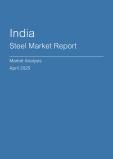
Overview of the Steel Market in India Q1 2025
In the first quarter of 2025, the steel industry in India has exhibited considerable dynamism, driven by both domestic and international factors. The growth of steel production in India continues to be robust, supported by technological advancements, increasing domestic demand, and strategic government policies. Initiatives such as 'Make in India' are pivotal in enhancing local manufacturing capabilities and reducing dependency on imports.
Key Trends in Steel Production and Consumption
India's steel production witnessed a significant increase, showcasing the country's growing influence in the global steel market. This growth is underpinned by a focus on infrastructure development and a surge in demand from the construction and automotive sectors. The Indian government's infrastructure projects, such as Bharatmala and Sagarmala, alongside the Smart Cities Mission, are major contributors to the rising steel consumption. Additionally, the automotive sector's shift towards electric vehicles (EVs) is fueling demand for specialized automotive-grade steel.
Impact of Trade Policies on the Steel Market
Global trade policies, particularly protectionist measures, have had a notable impact on India's steel market. Tariffs imposed by major trading partners, such as the United States, have necessitated Indian steel producers to diversify their export markets, focusing on regions with less stringent barriers like Southeast Asia and Africa. Concurrently, the Indian government's protective tariffs aim to support local industries by reducing the competitive pressure from foreign imports.
Technological Innovations and Environmental Impact
The Indian steel industry is increasingly embracing technological advancements and eco-friendly practices. The adoption of Industry 4.0 technologies, such as AI, IoT, and smart sensors, is enhancing production efficiency and product quality. The shift towards sustainable practices is evident in the increased use of electric arc furnaces (EAFs), which reduce carbon emissions and support the industry's transition to low-carbon steel production.
Regulatory and Economic Influences
Government policies continue to shape the steel production landscape in India, with a focus on protectionist measures and environmental compliance. The introduction of tariffs on steel imports supports domestic production, while policies promoting sustainable practices align with global trends. Economic factors, such as robust foreign exchange reserves and easing inflation, provide a stable economic environment conducive to growth in the steel sector.
Market Dynamics and Competitive Landscape
The competitive landscape in India is marked by strategic initiatives from key players like Tata Steel and JSW Steel, who are advancing their production capabilities and international presence. These companies are investing in sustainable technologies and expanding their production capacities to meet rising domestic and international demand.
Questions Addressed in the Report
- What are the current trends in steel production and consumption in India for Q1 2025?
- How are global and domestic trade policies affecting India's steel market?
- What technological advancements are shaping the steel industry in India?
- What is the impact of government regulations and economic factors on the steel market?
- How are key players in the steel industry adapting to market dynamics?
- What are the environmental impacts and sustainability practices in the Indian steel industry?
Conclusion
As 2025 progresses, the Indian steel industry is poised for continued growth, supported by robust domestic demand, strategic government initiatives, and a focus on technological and sustainable innovations. However, the industry must remain agile in navigating global trade dynamics and economic fluctuations to sustain its competitive edge in the worldwide steel market.