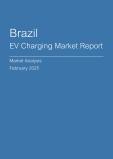
Overview of the EV Charging Market in Brazil for Q4 2024
In the fourth quarter of 2024, Brazil's EV Charging market is witnessing significant advancements, particularly in Charging Technology and the expansion of Charging Infrastructure. Key players are investing heavily in Fast Charging and integrating Renewable Energy sources to support the growing demand for electric vehicles. Strategic partnerships, especially with international firms, are playing a crucial role in this development, facilitating technology transfer and investment influxes.
Key Trends Driving the EV Charging Landscape in Brazil
Brazil is making strides in Fast Charging technologies, driven by consumer demand for quicker and more efficient EV Charging Solutions. Companies like Enel X are leading this transformation by deploying Ultra-Fast Charging Stations capable of delivering up to 350 kW, which significantly reduces charging times. The integration of Megawatt Charging Systems is also gaining traction, particularly to support the logistics and transportation sectors with electric buses and trucks.
Integration of Renewable Energy in EV Charging Infrastructure
The integration of Renewable Energy sources, particularly solar and wind, into Brazil's EV Charging Infrastructure is advancing rapidly. This not only supports environmental goals but also reduces operational costs. Brazil's electricity, predominantly generated from renewable sources, positions the country well to leverage these for powering EV Charging Stations.
Growth of Home and Workplace Charging Solutions
There is a notable rise in Home Charging and Workplace Charging solutions in Brazil. Consumers are increasingly opting for these due to their convenience and cost-effectiveness. This shift is supported by advancements in smart Charging Technology and the growing availability of affordable Home Charging equipment.
Expansion and Challenges in Public Charging Infrastructure
The Public Charging network in Brazil is expanding, driven by government initiatives and private sector investments. However, challenges such as grid capacity and connectivity in remote areas remain. Companies like EDP and Raízen are making significant investments to overcome these hurdles and enhance the EV Charging Network.
Smart Charging Solutions and Energy Management
Smart Charging solutions are emerging as a transformative force, improving grid integration and efficiency. These systems allow for dynamic adjustment of charging loads, optimizing energy use and mitigating grid overload risks. The integration of Renewable Energy further amplifies these benefits.
Impact of Economic Factors on EV Charging Investments
Brazil's economic context, including high interest rates and currency fluctuations, poses challenges to EV Charging investments. However, strategic international partnerships, particularly with China, provide an alternative source of funding and technological support, ensuring continued growth in the sector.
Government Incentives and Regulatory Environment
The Brazilian government is actively promoting the expansion of EV Charging infrastructure through incentives and policies. These efforts are critical in addressing the current infrastructure gap and encouraging broader adoption of electric vehicles. Regulatory challenges, however, persist, requiring streamlined processes to facilitate compliance and investment.
Conclusion
Overall, the fourth quarter of 2024 marks a period of significant development and transformation in Brazil's EV Charging market. With ongoing advancements in Charging Technology and strategic investments, Brazil is poised to become a leader in sustainable transportation within Latin America.
Questions This Report Answers
- What are the current trends in EV Charging technology in Brazil?
- How is renewable energy being integrated into the EV Charging Infrastructure?
- What are the challenges and opportunities in expanding the Public Charging network?
- What economic factors are impacting EV Charging investments in Brazil?
- How are government policies shaping the future of EV Charging in Brazil?