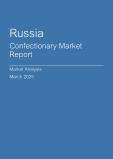
Executive Summary: Confectionary Market in Russia Q4 2024
In the fourth quarter of 2024, the Russian confectionary market demonstrated notable resilience amidst challenging macroeconomic conditions and geopolitical tensions. The industry, encompassing segments like sugar confectionery, chocolate, gum, and premium confectionery, navigated these complexities through strategic innovations and market adaptations.
Industry Trends and Consumer Preferences
The Russian confectionary market in Q4 2024 was significantly influenced by a shift towards local production and sourcing due to Western sanctions affecting the import of key raw materials like cocoa and sugar. This shift was bolstered by government initiatives to support domestic production and reduce dependency on imports. Producers focused on local resources and explored partnerships with BRICS nations to secure essential inputs, such as sugar and cocoa, mitigating the impact of sanctions.
Consumer preferences shifted towards healthier and more affordable confectionary options, driven by inflationary pressures and economic uncertainties. This was particularly evident in the increased demand for sugar-free, low-calorie, and organic confectionery products. Local manufacturers responded with innovative product lines catering to health-conscious consumers. Despite economic challenges, the premium confectionery segment thrived, supported by affluent consumers seeking luxury experiences.
Macroeconomic and Geopolitical Influences
Geopolitical tensions, particularly the ongoing Russia-Ukraine conflict, continued to impact the confectionery market in Russia by disrupting supply chains and escalating costs. Inflation reached 9.5%, affecting consumer purchasing power and leading to a focus on value-for-money products. The Bank of Russia’s high interest rate of 21% further compounded economic pressures, reducing consumer spending on confectionery items.
In response, confectionery producers enhanced local production capabilities and explored new markets in Asia, the Middle East, and the BRICS nations to offset the loss of Western markets. These strategies were crucial in sustaining growth and maintaining competitiveness in a volatile economic landscape.
Segment Highlights
Sugar Confectionery Market in Russia
The sugar confectionery segment faced challenges from rising raw material costs and geopolitical disruptions. However, local producers adapted by focusing on sugar-free and low-calorie options, aligning with global health trends. The premium segment also performed well, driven by consumer demand for artisanal and luxury sweets.
Chocolate and Cocoa Products Market in Russia
The chocolate and cocoa market encountered significant challenges due to rising cocoa prices and supply chain issues. Producers leveraged local sourcing and innovation to meet consumer demand for high-quality, premium chocolates, including organic and single-origin varieties.
Gum and Chewing Gum Market in Russia
The gum and chewing gum segment adapted to increased competition and shifting consumer preferences by introducing functional gums with health benefits. This approach helped maintain relevance amidst economic pressures and evolving consumer demands.
Key Questions Addressed in the Report
- How are geopolitical tensions affecting the Russian confectionary market?
- What are the prevailing consumer trends in the confectionary sector?
- How are local manufacturers adapting to supply chain disruptions?
- What strategies are being implemented to sustain growth in the face of economic challenges?
- Which confectionary segments are showing the most resilience and why?
Conclusion
Despite the significant challenges posed by geopolitical tensions and macroeconomic factors, the Russian confectionary market has shown resilience through strategic adaptations and a focus on consumer preferences. The sector's ability to innovate and adapt will be crucial in navigating the ongoing economic uncertainties and sustaining growth in future quarters.