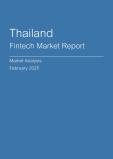
Q4 2024 Thailand Fintech Market Overview
The fourth quarter of 2024 marked significant developments in Thailand's fintech sector, characterized by substantial growth across various market segments. The industry's expansion has been driven by increased smartphone penetration, a shift towards cashless transactions, and supportive government policies. Fintech in Thailand continues to evolve, offering innovative solutions in digital payments, online lending, insurtech, and blockchain technology.
Expansion of Digital Payments and E-Wallets in Thailand
Digital payments and mobile payment platforms have seen remarkable growth in Q4 2024, with an increase of 27.5% in digital payment transactions compared to the previous year. This surge is attributed to the widespread adoption of mobile payment solutions like PromptPay, which have enhanced financial inclusion by providing accessible financial services to the unbanked population. The collaboration between traditional banks and fintech startups has resulted in advanced mobile banking apps, integrating services such as QR code payments and personal finance management tools.
Growth of Online Lending Platforms
Digital lending platforms in Thailand have expanded rapidly, with key players leveraging technologies like artificial intelligence and data analytics to offer innovative lending products. The regulatory support from the Bank of Thailand, including new guidelines for fair lending practices, has fostered a secure lending environment, prompting increased competition and innovation. The reduction of the one-day repurchase rate to 2.25% in October 2024 has further stimulated demand for digital loans by lowering borrowing costs.
Rise of Neobanks and Digital Banking
Neobanks have gained substantial market share, reaching 24.3% in Q4 2024. These digital-first banks, such as TMRW by UOB and Krungsri Finnovate, offer customer-centric solutions with advanced technologies, including AI and big data analytics. Their ability to operate without physical branches allows cost reduction, translating into competitive pricing and personalized services for consumers. The emphasis on seamless user experiences and security measures has positioned neobanks as key players in Thailand's banking technology landscape.
Blockchain and Cryptocurrency Developments
Thailand's interest in blockchain and cryptocurrency has surged, with fintech companies exploring blockchain to enhance transaction security and efficiency. The Bank of Thailand's exploration of a central bank digital currency (CBDC) underscores the potential for blockchain to transform monetary systems. Despite challenges like regulatory scrutiny, favorable policies are expected to drive further innovation in blockchain applications, including supply chain management and digital identity verification.
Insurtech Innovations
The insurtech sector in Thailand has witnessed significant advancements, with companies leveraging AI and data analytics to offer personalized insurance products. This approach improves customer satisfaction and streamlines operations by reducing fraudulent claims and processing times. The government's digital competitiveness initiatives support the adoption of advanced technologies, paving the way for further growth in insurance technology.
Regtech and Compliance Solutions
Regulatory technology (regtech) solutions are becoming vital in Thailand's fintech ecosystem, streamlining compliance processes and reducing operational risks. The integration of AI and machine learning into regtech platforms enhances accuracy in reporting and adapts quickly to regulatory changes. The supportive regulatory environment encourages the adoption of regtech solutions, which are crucial for navigating the complex financial regulations.
Questions the Report Answers
- What are the current trends in digital payments and mobile payment platforms in Thailand?
- How are online lending platforms evolving in the Thai fintech market?
- What is the impact of neobanks on traditional banking services in Thailand?
- How is blockchain technology being integrated into Thailand's financial services?
- What advancements are being made in the insurtech sector in Thailand?
- How are regtech solutions addressing compliance challenges in the Thai fintech industry?
- What role does government policy play in shaping Thailand's fintech landscape?