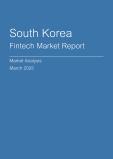
Executive Summary: Q4 2024 South Korea Fintech Market Overview
The South Korean fintech sector in Q4 2024 showcases robust growth and innovation, driven by significant advancements in cryptocurrency adoption, digital payments, and blockchain technology integration. This period highlights the sector's adaptability to evolving consumer demands and regulatory landscapes, positioning South Korea as a pivotal player in the global fintech arena.
Key Developments in Cryptocurrency and Blockchain Technology
The cryptocurrency market in South Korea saw a remarkable surge, with trading volumes nearing those of traditional stock markets. The number of cryptocurrency accounts exceeded 15 million, reflecting the growing consumer confidence and investment interest. The government's progressive regulatory stance, including a proposed 20% tax on cryptocurrency gains, supports the integration of cryptocurrencies into mainstream finance. Concurrently, advancements in blockchain technology are enhancing transparency and security in financial services, driving fintech innovation and consumer trust.
Advancements in Digital Payments and Mobile Wallets
Digital payments, particularly through mobile wallets like Kakao Pay and Toss, continued their upward trajectory, fueled by high smartphone penetration and technological innovations such as biometric authentication. These platforms are reshaping consumer spending habits, with a noticeable shift towards cashless transactions. Fintech companies are also forming strategic partnerships to expand their digital payment solutions internationally, indicative of a dynamic and competitive market landscape.
Growth and Challenges in Peer-to-Peer Lending
The peer-to-peer (P2P) lending market in South Korea surpassed a transaction volume of 10 trillion won, despite regulatory challenges. The sector's growth is driven by consumer demand for flexible credit options and technological advancements that streamline lending processes. However, evolving regulations necessitate increased due diligence and operational costs, affecting market dynamics.
Impact of AI, Machine Learning, and Regtech
Artificial intelligence (AI) and machine learning (ML) are transforming risk assessment and customer service within the fintech sector. These technologies enable precise credit scoring and personalized financial services, enhancing user experience and operational efficiency. Additionally, regulatory technology (Regtech) is gaining traction, streamlining compliance processes and reducing operational costs for fintech companies.
Regulatory Changes and Economic Context
The introduction of cryptocurrency taxation and upcoming regulations on cross-border virtual asset transactions are set to impact fintech operations significantly. These regulatory changes highlight the government's commitment to fostering a secure and compliant financial ecosystem. Furthermore, the economic context, including interest rate cuts by the Bank of Korea and a stable yet cautious GDP growth outlook, provides a mixed backdrop for fintech expansion and consumer engagement.
Market Segments with the Most Impact
- Cryptocurrency and blockchain technology integration
- Digital payments and mobile wallet innovations
- Peer-to-peer lending and credit solutions
- AI, machine learning, and Regtech advancements
Questions Addressed in the Report
- How has the cryptocurrency surge impacted the broader fintech landscape in South Korea?
- What role do mobile wallets play in the digital payments market?
- What are the challenges and opportunities in the P2P lending market?
- How are AI, ML, and Regtech shaping the future of fintech in South Korea?
- What are the implications of new regulatory changes on fintech operations?
- How does the economic environment affect fintech growth and consumer behavior?