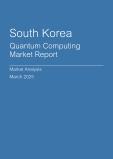
Executive Summary: Quantum Computing Market in South Korea - Q4 2024
The quantum computing sector in South Korea is experiencing transformative growth in Q4 2024, driven by strategic collaborations, technological advancements, and supportive government policies. South Korea is rapidly establishing itself as a global hub for quantum technology, leveraging its strong industrial base and academic research capabilities.
Growth and Strategic Collaborations
Key developments include the collaboration between Pasqal and Sungkyunkwan University's Quantum Information Research Support Center, aiming to advance research and applications in quantum computing. Such partnerships exemplify the trend of integrating academic expertise with industrial resources, fostering innovation and commercialization. The South Korean government's supportive policies, including tax incentives and R&D funding, create a conducive environment for growth in the quantum computing market.
Technological Advancements in Quantum Computing Hardware and Software
In Q4 2024, South Korea is focusing on innovations in both quantum computing hardware and software. Developments in efficient quantum processors and error-correction techniques are enhancing computational capabilities. Software innovations, particularly in quantum algorithms and machine learning, are expanding potential applications across industries, including artificial intelligence, cryptographic security, and drug discovery.
Sector-Specific Impact: Finance, Healthcare, and Manufacturing
The financial sector is significantly benefiting from quantum computing, particularly in financial modeling, risk analysis, and cryptography. In healthcare, quantum computing is revolutionizing pharmaceutical research and diagnostics, enabling breakthroughs in drug discovery and personalized medicine. In manufacturing and supply chain sectors, quantum computing is optimizing logistics, enhancing production efficiency, and implementing predictive maintenance.
Regulatory Developments and Market Dynamics
South Korea's regulatory landscape is evolving to support the sustainable growth of the quantum computing industry. New standards for technology certification and data protection frameworks are being implemented to ensure quality and security. These regulatory measures are essential for building trust and facilitating international collaborations, crucial for the sector's global competitiveness.
Monetary Policy and Economic Context
The Bank of Korea's interest rate cuts and the low inflation environment in Q4 2024 are creating favorable conditions for investment in high-tech sectors. These monetary policies are expected to lower capital costs and boost investment in quantum computing, supporting further growth and innovation.
Competitive Landscape and International Partnerships
South Korean companies like Samsung Electronics, SK Telecom, and LG Electronics are actively participating in the quantum computing market, leveraging international partnerships and technological advancements to gain a competitive edge. These corporations are focusing on integrating quantum computing into their operations, particularly in AI, semiconductor technologies, and sustainable energy solutions.
Key Questions Addressed in the Report
- What are the key growth drivers for the quantum computing market in South Korea?
- How are technological advancements influencing the quantum computing industry?
- What is the impact of quantum computing on sectors like finance, healthcare, and manufacturing?
- What regulatory developments are shaping the quantum computing landscape?
- How is South Korea positioning itself as a global leader in quantum technology?
- What are the strategic collaborations and partnerships driving market growth?
- How are economic and monetary policies affecting investments in quantum computing?
Overall, the quantum computing market in South Korea is poised for significant growth, underpinned by strategic initiatives, technological innovations, and a supportive economic environment. As the country continues to foster international collaborations and expand research capabilities, it is well-positioned to lead in global tech innovation.