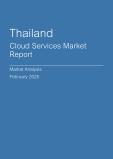
Executive Summary: Cloud Services Market in Thailand Q4 2024
The fourth quarter of 2024 marks a significant period for the cloud services market in Thailand, characterized by robust growth driven by various sectors' digital transformation initiatives. As businesses across Thailand increasingly adopt cloud solutions, the demand for hybrid cloud models, cloud-based AI, and machine learning applications is on the rise. This shift is largely influenced by regulatory compliance, cost efficiency, and the need for scalable, secure data processing capabilities.
Key Market Trends in Cloud Services Thailand
- Adoption of Hybrid Cloud Solutions: Businesses in Thailand are increasingly integrating hybrid cloud models to balance the scalability of public clouds with the security of private clouds. This trend is driven by the need to comply with local data protection laws and optimize IT expenditures.
- Rise of Cloud-Based AI and Machine Learning: Financial services, retail, and healthcare sectors are leading the way in adopting cloud-based AI technologies to enhance customer interactions, automate processes, and improve decision-making.
- Growth in SaaS Adoption Among SMEs: Small and medium enterprises are leveraging Software as a Service (SaaS) for its cost-efficiency and scalability, particularly in industries like retail, manufacturing, and professional services.
- Surge in Cloud Storage Solutions: The financial and healthcare sectors are driving the demand for cloud storage as they manage increasing volumes of data, ensuring scalability and security.
- Advancements in Cloud Security: The market is witnessing significant innovations in cloud security solutions, essential for protecting sensitive data against rising cyber threats.
- Integration of Edge Computing: Edge computing is being integrated with cloud services to enhance real-time data processing capabilities, particularly in manufacturing and telecommunications.
Economic and Regulatory Context Impacting Cloud Services
- Monetary Policy: The Bank of Thailand's interest rate cut is expected to boost cloud services adoption by making borrowing more affordable for businesses.
- GDP Growth: Thailand's GDP growth of 3.0% in Q4 2024, driven by sectors like tourism and exports, creates a favorable environment for cloud services demand.
- New Data Privacy Regulations: The implementation of the Personal Data Protection Act (PDPA) in Thailand presents compliance challenges that may increase the demand for local data centers and hybrid cloud solutions.
- Government Initiatives: The Thai government's initiatives, including tax incentives and talent development programs, support the adoption of cloud technologies across various sectors.
Competitive Landscape of Cloud Services in Thailand
- Amazon Web Services (AWS): AWS is focusing on expanding its cloud infrastructure and enhancing AI capabilities, forming strategic partnerships to strengthen its market position in Thailand.
- Microsoft Corporation: Microsoft is investing in data centers in Thailand and forming partnerships to support the country's digital transformation efforts, aligning its operations with Thailand's digital economy goals.
- Google Cloud: Google Cloud's $1 billion investment in a new data center in Thailand aims to drive local cloud service demand and AI adoption.
- Alibaba Cloud: Alibaba Cloud is enhancing its presence in Thailand through AI-enhanced cloud solutions tailored to local business needs, contributing to the digital economy.
Questions the Report Aims to Answer
- What are the current trends in the cloud services market in Thailand?
- How are hybrid cloud solutions being adopted in Thailand?
- What role do cloud-based AI and machine learning applications play in transforming various sectors?
- How is the SaaS market evolving among SMEs in Thailand?
- What are the key drivers for the demand for cloud storage solutions?
- How are new data privacy regulations impacting cloud services in Thailand?
- What competitive strategies are major cloud service providers adopting in Thailand?