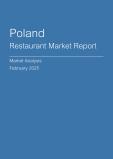
Executive Summary: Poland Restaurant Market Q4 2024
The Polish restaurant market in Q4 2024 navigated a complex economic landscape characterized by moderate GDP growth and persistent inflationary pressures. With a GDP growth of 2.7% in Q3, the economy showed signs of recovery, yet core inflation at 4.3% posed significant challenges, particularly impacting input costs for labor and rent. This economic backdrop has necessitated strategic adaptations across various restaurant segments.
Impact on Different Restaurant Segments
Fast Food and Quick Service Restaurants (QSR)
Fast food and QSR sectors in Poland have been innovative in overcoming economic challenges. Operators are focusing on value menus and digital integration to attract cost-conscious consumers. The adaptation of health-conscious menu options, such as plant-based offerings, caters to the growing demographic of health-aware diners. This segment continues to thrive by leveraging technology to streamline operations and engage customers effectively.
Casual Dining and Family Dining
Casual and family dining sectors remain resilient, driven by consumer demand for convenience and affordability. Restaurants have adapted by enhancing their value propositions and focusing on promotions and loyalty programs. The trend towards locally sourced and healthier food options has also gained momentum, appealing to a broad spectrum of diners seeking quality and value.
Fine Dining and Upscale Dining
Fine dining establishments faced more significant challenges due to inflationary pressures impacting discretionary spending. These restaurants are focusing on enhancing the dining experience and offering personalized services to justify premium pricing. Embracing digital marketing strategies has been crucial in maintaining engagement with affluent diners.
Cafes and Coffee Shops
Cafes and coffee shops in Poland have continued to expand, with a strong focus on digital innovations and loyalty programs. These establishments are integrating eco-friendly practices and sustainability initiatives to attract environmentally conscious consumers, aligning with global trends in the food service industry.
Key Market Challenges and Opportunities
The Polish restaurant market contends with various challenges, including increased input costs due to inflation and supply chain disruptions caused by industrial production declines. However, opportunities exist in technological advancements, which enhance customer experience and operational efficiency. Sustainability is also gaining traction, with restaurants adopting eco-friendly practices to appeal to consumer preferences and regulatory expectations.
Questions Answered by the Report
- How is the economic environment in Poland affecting the restaurant industry?
- What strategies are fast food and QSR operators using to maintain competitiveness?
- How are casual and family dining establishments adapting to consumer preferences?
- What challenges do fine dining and upscale dining sectors face in the current economic climate?
- How are cafes and coffee shops leveraging technology to enhance customer engagement?
- What role does sustainability play in the current market dynamics?
- How are inflation and supply chain issues impacting restaurant operations in Poland?
In conclusion, the Polish restaurant industry in Q4 2024 remains dynamic, with businesses adapting to economic pressures through innovation and strategic adjustments. As the market continues to evolve, the emphasis on value, technology, and sustainability will be critical in driving growth and maintaining competitiveness in Poland’s vibrant dining landscape.