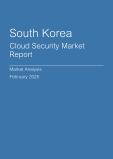
Executive Summary: Cloud Security Market in South Korea - Q4 2024
The Cloud Security market in South Korea is experiencing dynamic growth in the fourth quarter of 2024, driven by digital transformation and heightened cyber threats. As industries such as finance, healthcare, and manufacturing increasingly digitize, the demand for comprehensive Cloud Security Solutions has surged. This report explores key trends, technologies, and market dynamics shaping the Cloud Security landscape in South Korea during this period.
Key Drivers and Technologies in Cloud Security South Korea
In Q4 2024, the growth of Cloud Security in South Korea is propelled by several factors. The acceleration of digital transformation initiatives across various sectors has spurred demand for robust Cloud Security Services. Concurrently, the sophistication and frequency of cyber threats necessitate advanced security measures, pushing enterprises to prioritize investments in Cloud Security Platforms and Software.
Notably, AI-driven security tools and zero-trust architectures are transforming the Cloud Security Technologies landscape. These innovations enable real-time threat detection and response, critical for sectors handling sensitive data. Companies like Samsung SDS and LG CNS are leveraging these technologies to enhance their Cloud Security offerings, addressing the evolving needs of South Korean enterprises.
Economic Policies and Their Impact on Cloud Security Investments
The Bank of Korea's monetary easing, characterized by interest rate cuts to 3.00%, is influencing Cloud Security investments by reducing borrowing costs and encouraging capital expenditure. While the depreciation of the South Korean won raises import costs, it also enhances the competitiveness of domestic Cloud Security exports. These economic dynamics create a favorable environment for innovation and growth in Cloud Security Infrastructure.
Market Segments Driving Cloud Security Demand
In Q4 2024, large corporations in South Korea, particularly in finance and telecommunications, are key drivers of Cloud Security demand. Their digital transformation efforts necessitate secure Cloud-based Solutions to safeguard sensitive data. Furthermore, small and medium-sized enterprises (SMEs) are increasingly adopting Cloud Security Services, aided by government initiatives and cost-effective security packages tailored for smaller businesses.
Government and public sector initiatives, such as the 'Digital New Deal,' are also significant demand drivers. These programs emphasize cybersecurity as a critical component of national digital infrastructure, accelerating the adoption of advanced Cloud Security Technologies across government agencies.
Competitive Landscape and Strategic Partnerships
The competitive landscape of Cloud Security in South Korea is characterized by strategic partnerships and technological advancements. Companies like SK Telecom, Samsung SDS, and LG CNS are expanding their Cloud Security capabilities through collaborations with international tech firms. These alliances are crucial for developing innovative security solutions that meet the specific needs of South Korean enterprises.
Regulatory Environment and Compliance
Data protection laws, such as the Personal Information Protection Act (PIPA), are pivotal in shaping Cloud Security strategies in South Korea. These regulations compel enterprises to integrate compliance-focused security measures, driving the adoption of Cloud Security Technologies that ensure data protection and regulatory adherence.
Questions Addressed in the Report
- What are the key drivers of Cloud Security market growth in South Korea?
- How are AI-driven tools and zero-trust architectures impacting Cloud Security Technologies?
- What is the role of economic policies in shaping Cloud Security investments in Q4 2024?
- Which market segments are leading the demand for Cloud Security Solutions?
- How are strategic partnerships influencing the competitive landscape of Cloud Security?
- What regulatory changes are affecting Cloud Security strategies in South Korea?