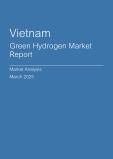
Executive Summary of Green Hydrogen Market in Vietnam - Q4 2024
In the fourth quarter of 2024, Vietnam's green hydrogen market has experienced significant developments as part of the country's strategic energy transition. The Vietnamese government is committed to fostering this sector to achieve net-zero carbon emissions by 2050. This commitment is evident in its proactive approach to attracting foreign investments, enhancing infrastructure, and implementing supportive policies. International collaborations, particularly with Denmark, have played a pivotal role in advancing Vietnam's clean energy initiatives.
Key Trends in Green Hydrogen Production and Infrastructure in Vietnam
Vietnam has seen substantial growth in green hydrogen production, driven by both domestic strategies and international partnerships. Companies like Maersk and Italy's NextChem have invested in Vietnam’s green hydrogen projects, signaling robust foreign interest and technological exchange. These investments not only bring capital but also cutting-edge technology, which is crucial for efficient and sustainable hydrogen production.
Applications of Green Hydrogen in Vietnamese Industries and Transportation
The industrial sector in Vietnam is progressively integrating green hydrogen to reduce carbon emissions, especially in heavy industries like steel, cement, and chemical processing. The transportation sector is also embracing green hydrogen, with initiatives to transform ports and vessels to reduce emissions and enhance sustainability. This shift is part of a broader strategy to decarbonize transportation infrastructure and align with Vietnam's carbon neutrality goals by 2050.
Technological Advancements and Challenges in Vietnam's Green Hydrogen Sector
Technological advancements, including the integration of AI and IoT, are enhancing the efficiency of hydrogen production processes in Vietnam. These technologies enable real-time monitoring and optimization, contributing to sustainability and scalability. However, challenges remain, such as navigating complex regulations and ensuring the cost-effectiveness of green hydrogen technologies amidst currency depreciation and inflation pressures.
Regulatory Framework and Policy Support for Green Hydrogen in Vietnam
Vietnam's regulatory landscape is evolving to support the integration of renewable hydrogen into its national energy framework. The new Green Energy Law provides incentives like tax breaks and subsidies, which are crucial for stimulating investment and reducing financial barriers. This regulatory support is expected to strengthen Vietnam's competitive position in the Southeast Asian renewable energy market.
Investment Opportunities and Economic Impact on Green Hydrogen in Vietnam
The green hydrogen sector in Vietnam is poised for substantial growth, driven by significant foreign direct investment (FDI) and supportive economic policies. The development of green industrial zones and fiscal incentives are attracting both local and international investors, positioning Vietnam as a leader in the Southeast Asian renewable energy landscape. These investments are expected to enhance Vietnam's economic resilience and contribute to its long-term energy sustainability goals.
Questions Addressed in the Report
- What are the current trends and developments in the green hydrogen market in Vietnam?
- How is Vietnam leveraging international partnerships to advance its green hydrogen sector?
- What are the key applications of green hydrogen in Vietnam's industrial and transportation sectors?
- What technological advancements are being integrated into Vietnam's green hydrogen production processes?
- How is Vietnam's regulatory framework supporting the growth of the green hydrogen market?
- What are the investment opportunities and economic impacts of green hydrogen in Vietnam?
- What challenges does Vietnam face in scaling its green hydrogen production and infrastructure?
The comprehensive analysis of these questions provides insights into Vietnam’s strategic positioning in the global green hydrogen market, highlighting the country's commitment to sustainable energy solutions and economic growth.