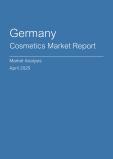
Executive Summary: Cosmetics Market in Germany Q1 2025
The first quarter of 2025 presents a dynamic landscape for the cosmetics market in Germany, marked by significant trends in sustainability, digital transformation, and consumer preferences. This summary highlights the key developments influencing the market across various segments, including skincare, makeup, fragrance, and more.
Emergence of Natural and Eco-Friendly Beauty Products
The German cosmetics market is seeing a strong shift towards natural and eco-friendly beauty products. Driven by increased consumer awareness and regulatory pressures, brands are innovating in sustainable formulations and packaging solutions. Companies like Weleda and Dr. Hauschka are leading the charge with organic product lines, aligning with the growing demand for sustainable beauty options.
Digital Transformation and E-Commerce Expansion
The rise of e-commerce continues to reshape the cosmetics industry in Germany. Digital platforms provide brands with new opportunities to reach consumers, offering convenience and a broader range of products. Social media channels are vital for marketing strategies, enabling brands to engage with consumers through influencer partnerships and interactive content. The integration of technology, such as AI and augmented reality, is expected to enhance personalized consumer experiences further.
Skincare Segment Drives Market Growth
Skincare remains a robust growth driver in the German cosmetics market, with a focus on health, wellness, and anti-aging solutions. The demand for products featuring natural ingredients like hyaluronic acid and vitamin C continues to rise. Innovations in product formulations and eco-friendly packaging are also contributing to the segment's expansion.
Fragrance Market Dynamics
The fragrance market in Germany is witnessing increased demand for personalized and luxury scents. Consumers are drawn to unique fragrances that reflect individuality, supported by celebrity endorsements and artisanal offerings. This trend is expected to drive further growth in the fragrance segment.
Economic Factors Influencing Consumer Behavior
Economic uncertainties, including inflation and unemployment, are shaping consumer spending in the cosmetics market. There is a noticeable shift towards affordable luxury and multifunctional products, providing value-for-money solutions. As consumers become more budget-conscious, brands are adapting by offering promotions and focusing on core product lines.
Regulatory Developments and Sustainability Initiatives
New regulations emphasizing sustainability are influencing market dynamics, with a focus on eco-friendly packaging and ethical sourcing. Brands that integrate sustainable practices into their core business models are likely to capture a larger share of the environmentally conscious consumer segment.
Competitive Landscape Insights
In Q1 2025, the competitive dynamics in Germany's cosmetics market involve both international giants and local brands. Companies like Beiersdorf and L'Oréal are executing strategic initiatives to maintain market share, focusing on innovation and sustainability. Local brands are leveraging their understanding of domestic preferences to carve out niches in natural and eco-friendly beauty products.
Key Questions the Report Addresses
- What are the emerging trends in the German cosmetics market for Q1 2025?
- How is digital transformation affecting consumer engagement in the cosmetics industry?
- What are the growth prospects for skincare and fragrance segments in Germany?
- How are economic factors like inflation and unemployment influencing consumer spending on cosmetics?
- What role do sustainability and regulatory developments play in shaping the cosmetics market?
- How are international and local brands competing in the evolving cosmetics landscape?