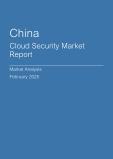
Executive Summary: Cloud Security in China - 2024 Q4
The fourth quarter of 2024 marks a critical phase for the cloud security market in China, heavily influenced by geopolitical tensions, regulatory developments, and rapid technological advancements. The demand for robust cloud security solutions is escalating as Chinese enterprises prioritize safeguarding sensitive data and ensuring compliance with stringent cybersecurity laws. This executive summary highlights the major trends, challenges, and strategic initiatives shaping the cloud security landscape in China during this period.
Geopolitical and Economic Influences on Cloud Security in China
Geopolitical tensions, particularly between the US and China, have intensified, prompting Chinese enterprises to pursue technological self-reliance. This shift is evident in the increased focus on indigenous cloud security technologies as companies strive to mitigate risks associated with foreign dependencies. Meanwhile, the economic environment, characterized by modest GDP growth and fiscal stimulus measures, has spurred investments in digital infrastructure, further driving the demand for secure cloud environments.
Regulatory Landscape and Compliance Challenges
The enforcement of data protection and cybersecurity regulations, such as the Personal Information Protection Law (PIPL), continues to shape the cloud security market in China. These laws mandate rigorous data protection standards, compelling businesses to adopt comprehensive compliance strategies. As a result, there is a surge in demand for compliance-focused cloud security solutions that align with national security objectives and ensure adherence to evolving regulatory requirements.
Technological Innovations and Cloud Security Solutions
China's cloud security market is witnessing a significant integration of advanced technologies, including artificial intelligence (AI), blockchain, and quantum encryption. AI-driven cloud security solutions are enhancing threat detection and response capabilities, reducing reliance on human intervention. Blockchain and quantum encryption are being deployed to bolster data integrity and confidentiality, addressing the sophisticated cyber threats faced by Chinese enterprises. These technological innovations are pivotal in maintaining robust cloud security infrastructures.
Competitive Landscape and Strategic Initiatives
Leading Chinese cloud service providers like Alibaba Cloud, Tencent Cloud, and Huawei Cloud are at the forefront of the cloud security market, leveraging strategic partnerships and technological advancements to enhance their offerings. Alibaba Cloud is focusing on AI-powered security solutions and international expansion, while Tencent Cloud is capitalizing on strategic partnerships and technological innovations to strengthen its market position. Huawei Cloud is expanding its international presence, emphasizing local partnerships and technological advancements to overcome challenges posed by US sanctions.
Key Questions Addressed in the Report
- How are geopolitical tensions influencing the cloud security market in China?
- What are the key regulatory challenges and compliance requirements for cloud security in China?
- How are technological advancements, such as AI and blockchain, enhancing cloud security solutions?
- What strategies are leading cloud service providers adopting to maintain their competitive edge?
- How is the demand for cloud security solutions evolving in response to emerging cyber threats?
- What are the implications of China's economic policies on cloud security investments?
In summary, the cloud security market in China is undergoing a transformative phase driven by geopolitical, regulatory, and technological factors. As the demand for secure cloud environments intensifies, Chinese enterprises and cloud service providers are adopting innovative solutions and strategic initiatives to address the evolving cybersecurity challenges. This dynamic landscape presents significant opportunities for growth and development in the cloud security sector.